Показаны сообщения с ярлыком военно-транспортный. Показать все сообщения

пятница, 24 апреля 2015 г.

Crazy-Efficient Rotary Engine Lands Million-Dollar DARPA Contract


GIF

We love when a tiny company does big things.
LiquidPiston, Inc., of Bloomfield, CT, recently signed an agreement with the U.S. Defense Advanced Research Projects Agency, better known as DARPA, to use the hyper-efficient rotary engine technology for military purposes. The advanced combustion tech could be used in weaponized UAVs, robotic soldiers, and generators that produce 3kW of electric power—but fit in a backpack.
Father-and-son team Nikolay and Alec Shkolnik say LiquidPiston can dramatically downsize combustion engines used in military scenarios. The Shkolniks say that their motor can be adapted to use only Jet Propellant 8 (JP-8), the fuel favored by the U.S. military, to produce power in a small, quiet, and efficient package.
"A diesel generator that's the size of a desk and weighs 300 pounds becomes a 2-foot-square engine that generates the same power," Alec Shkolnik tells.
A typical 3kW gasoline-powered generator—the type used at construction sites and as a stop-gap during power outages—weighs about 140 pounds and measures about 3 feet long, 2 feet high, and 2 feet wide. The military uses such generators in remote areas, but they are ungainly beasts. Shkolnik says LiquidPiston's equally powerful generator using JP-8 would weigh about 30 pounds (the motor itself would weigh just 8 pounds) and fit in a backpack. Used in drones, the LiquidPiston engine could be small enough to fit inside the envelope of the fuselage.
"We see a lot of potential military uses, including robotics," Shkolnik says. "We're going to work with DARPA to make hardware improvements to our motors, and model them for scenarios where full-size combustion engines could be replaced."
DARPA Project Manager Mark Gustafson, who has led high-profile projects for the military such as the $6 billion propulsion system for the F-35, sees great promise in the LiquidPiston technology.
"INSTEAD OF A PISTON ON A CRANKSHAFT YOU HAVE LIQUID PUSHING UP TO COMPRESS THE GAS-AIR MIXTURE."
"The nation would benefit greatly from the development of a high-power-density, energy-efficient engine that could operate on heavy hydrocarbon fuels," he tells. "We are excited about the plans to develop and test key technologies that could help achieve that goal, and look forward to LiquidPiston's efforts to accelerate progress in this important field of work."
LiquidPiston emerged two years ago as a novel alternative to conventional combustion engines. "The LiquidPiston engine fires like a combustion engine," Nikolay Shkolnik says. "But instead of a piston on a crankshaft you have liquid pushing up to compress the gas-air mixture."

A more extensive explanation of the LiquidPiston motor, and its benefits, was published by Popular Mechanics upon the introduction of the technology. You can read it here.
In addition to its collaboration with DARPA, the company plans to market power tools for home use, such as lawnmowers, chainsaws, and string trimmers. These products will be on shelves at your local Home Depot and Lowe's two or three years from now, Alec Shkolnik says

четверг, 16 апреля 2015 г.

Завод Антонов представил новый самолет

На государственном предприятии Антонов сегодня официально проходит презентация нового самолета АН-178.
Фотографии самолета на своей странице в Facebook выложил мэр Киева Виталий Кличко, который присутствует на презентации.
Этот самолет сможет в будущем использовать как армия, так и гражданская авиация.
"На Антонова уже работают над его версией для украинской армии", - написал Кличко.
Отметим, строительство первого экземпляра самолета началось в 2013 году, при этом сам самолет разрабатывался с 2010 года как замена для устаревших моделям Ан. Самолет создается на базе пассажирского Ан-158, лишь недавно запущенного в серийное производство.
facebook.com/merkievafacebook.com/merkievafacebook.com/merkieva

пятница, 3 апреля 2015 г.

Как Беларусь перевооружает украинскую армию

Пока Западные союзники Киева обсуждают форматы помощи, Беларусь активно включилась в перевооружение украинской армии.

Как  Лукашенко перевооружает украинскую  армию
Торговлю с обеими сторонами можно списать на экономические интересы Беларуси. Как никак, при выборе между первым и вторым по объемам внешнеэкономическим партнёром хочется сохранить обоих. Но поставки техники двойного назначения, или же просто вооружения — политика совсем другого рода, пишет украинское издание hvylya.net.
Да, неожиданно. Но не сам факт, а прямолинейность его подачи и то, что из всего двухчасового интервью именно эта фраза начала рекламироваться пресс-службой президента Беларуси.
Лукашенко за долгую историю «интеграции» с Российской Федерацией прекрасно понимает всю опасность, которую представляет из себя союзник. И как только в Кремле начали поднимать ставки в борьбе за сферы влияния, в Минске поняли — Беларусь будет следующей. Особенно в случае поражения Украины. Тогда Кремлёвские властители уже не скрывая целей, приступят к реанимации СССР (или Российской Империи). В таком формате у Лукашенко есть два варианта: либо стать губернатором края (пусть и с сохранением названия «президент») или исчезнуть.
Таким образом, Лукашенко, кроме выгод успеха Украины, ощутил и опасность. Причём не только для Беларуси, но и для себя лично. Последнее чрезвычайно важно, учитывая характер «уже не последнего диктатора Европы». Что делать? Естественно, помочь Украине. И, что занимательно, пока Западные союзники Киева обсуждают форматы помощи, Минск действует. Да, торгуя. Да, за деньги. Но извините, тот же КРАЗ уже год ждёт от союзников двигатели для промышленного выпуска броневиков. А в ЕС всё думают: стоит ли так дразнить Россию. Это так, лирическое отступление. А дальше голые факты. Которые обошли вниманием журналисты (как в Беларуси, так и в Украине).
Двигатели и автотехника.
Украинскому читателю известно, что страна хоть и большая, но не имеет своего производства двигателей для автотранспорта. В том числе и для бронированных машин. Первые поставки в ВСУ и НГ осуществлялись за счёт «старых запасов». Но уже к середине лета возникла проблема: своих двигателей нет. Россия, естественно, не продаёт. А западные союзники «обсуждают вопросы» поставки силовых установок. И опасаются, что таковые будут использованы для создания вооружений. Такие «опасения и раздумья», к слову продолжаются до сих пор. Вот ответ «диванным стратегам» из Украины почему тот же КРАЗ не завалил части своими машинами. И почему Украина покупала британские броневики. Последние были с движками, контракт включал ремкомплект и завод по ремонту. На основе последнего, кстати, можно в перспективе создать своё производство. Но это планы. А солдатам необходимо было на чём то ездить.
И тут обратим внимание на структуру белорусских поставок. В 2014 году двигатели из Беларуси составили 15% в общих объёмах украинского импорта. Общие объёмы поставок силовых установок выросли с 5,67 млн. долларов (в 2013 году) до 5,85 млн. При этом основной рост наблюдался в графе «другие»: 1,67 млн против 1,1 млн. В эту категорию относятся двигатели для специальной техники. В том числе и военной.
То же самое наблюдается в категории детали и части двигателей. Вновь раздел «другие». И сумма поставок в 2,84 миллиона. Что в 2 раза больше чем за 2013 год.
Дальше-больше. Помните рассказы волонтёров о украденных аккумуляторах с БТР. Как стоявших на складах частей. Так, естественно и на «долгосрочном хранении». Откуда они взялись? В том числе из Беларуси. Начиная с июня и до конца года границу пересекли (только официально) АКБ на сумму 124,6 тыс. долларов. Примечательно, что в 2013 году эта категория товаров не поставлялась вообще.
Электродвигатели и электросиловые установки. Это в том числе и то, что крутит башню БТР и танка. Таковых в 2014 году в Украину продано на сумму 2,19 миллионов. Учитывая суммарные объёмы поставок за 2013 год в аж целых 16 тысяч долларов рост более чем внушительный.
Таким образом, можно утверждать, что значительная часть техники, которую президент Украины торжественно передавал военным имело внутри «белорусский пламенный мотор». В том числе и известные всем «ПИОНЫ», Точки-У. Шасси для этих артиллерийских установок на сегодня в состоянии производить только одно предприятие – Минский завод колёсных тягачей. Немногочисленные белорусы, которые продолжали ездить на автомобиле в Киев отмечали, что всё лето в тёмное время суток по направлению к украинской границе небольшими группами ехали большие автомобили специфического внешнего вида. Увы, структура поставок МЗКТ, особенно военных, находится под грифом секретно. Но зато не является секретом статистика по деятельности Открытых акционерных обществ на сайте Минфина Беларуси. Увы, пока данные доступны лишь за 3 квартала 2014 года. Но и этого достаточно. В условиях обвала российского рынка и паузы в закупках тягачей для «Тополей» МЗКТ демонстрирует удивительную эффективность. Чистая прибыль предприятия за 3 квартал 2014 года превышает суммарную прибыль за весь 2013 год. А в Украине техника на минском шасси поступает на фронт. Увы, с маркетологами МЗКТ не разговаривал. Поэтому на всякий случай скажу — совпадение, господа.
Не совпадением является другое. Минский автомобильный завод активно продаёт грузовики Нацгвардии Украины. Причём в объёмах, превышающих поставки с КРАЗа. В июле 2014 российские СМИ взорвала новость о 44-х новых грузовиках у «украинских карателей». Проходит три месяца и НГ заключает новый контракт на ещё 27 автомобилей и спецтехнику — прицепы для транспортировки бронетехники. Те самые, которые производит упомянутый выше МЗКТ.
Кстати, белорусские производители учли специфику сотрудничества с российскими партнёрами. Летом МЗКТ представило гражданские версии тягачей с 490-сильным мотором ММЗ-WP12.460E5. А через месяц в Абу-Даби выставило военные многоцелевые шасси. В которых использована подвеска и АКПП собственной разработки.
Авиатехника
Война идёт не только на земле. Справедливо и в разрезе беларуско-украинского военного сотрудничества. Долгая работа украинских элит по развалу собственных ВС и ВПК привела к тому, что в стране катастрофически не хватает кадров и мощностей для восстановления (не говоря уже о создании) техники. В том числе авиационной. АН — всё же имеет свою нишу, которая мало пересекается со штурмовой и истребительной авиацией.
Но технологии модернизации и сборки двигателей есть в Беларуси. В частности на 558 авиаремонтном предприятии из Барановичей. С началом украинского кризиса на заводе объявили о возобновлении проекта модернизации самолётов СУ-27 и МИГ-2915. Кроме работы с силовыми установками модернизируется система управления огнём и обнаружения целей. Что позволяет чрезвычайно эффективно работать и по наземным объектам. С 2010 по 2014 гг. для иностранных заказчиков были модернизированы 4 МИГ 29 и 10 СУ-27. Украина, естественно, имеет свои авиаремонтные мощности. Но количество заказов на том же львовском авиаремонтром заводе исчислялось единицами. В случае войны главное скорость работ и качество.
А дальше просто факт или «совпадения». В декабре 2014 и январе 2015 украинские СМИ сообщали о передаче армии восстановленных самолётов МИГ-29. Это парадоксальным образом совпало с сообщением руководства 558 АРЗ о том, что тот в 2014 году за 66 млн. долларов «ремонтировал для иностранных заказчиков МиГ-29»16. Это, заметим, кроме беларуских заказов. Ремонт для ВВС России беларуские СМИ не скрывают под термином «иностранные». Возможно, это лишь допущение автора. А временные совпадения — действительно совпадения. Но есть ещё два факта. Они содержатся в открытом доступе. Статистика по торговле товарами и услугами. И вот, странно, Република Беларусь оказала Украине услуг «по ремонту» в 2,4 раза больше, чем в 2013 году. Сумма контрактов — 11 млн. долларов17. Сюда же можно добавить часть из 3,4 млн. за компьютерные и информационные услуги (перепрограммирование и модернизация систем наведения относится к данной категории) и часть из 98 миллионов долларов «деловых» услуг. Посредничество при покупке техники и комплектующих – одна из составляющих данной категории.
И, наконец, торговый баланс. Беларусь в кои то веки начала продавать Украине «летательные аппараты» и части к ним. За 2014 год сумма завершённых контрактов превысила 5 млн. долларов. А за первый квартал 2015 — уже 3,997 миллиона. Для справки – объемы поставки по этой категории в 2013 г — 12 тысяч долларов США.
Идём далее. Категория «радиолокационные и радионавигационные устройства» — рост объёмов поставок в 2 раза по сравнению с 2013 г. Правда, тут в большинстве своём это аппаратура дистанционного управления.
И эта графа, как и летательные аппараты возможно означает ещё одно направление. Беларусь — один из региональных лидеров по разработке и производству беспилотных летательных аппаратов. Тот же 558 завод производит и продаёт (в том числе на внешние рынки) БЛПА «Гриф-1». А в 2014 представил ещё две новинки. Комплекс бортовой аппаратуры индивидуальной радиотехнической защиты «Сателлит», позволяющий защищать летательные аппараты всех типов от поражения высокоточным радиоуправляемым оружием, а также носитель авиационных средств поражения НАСП Модуль-А. Если аналогичная техника «украинской разработки» будет в ближайшие месяцы представлена президентом Порошенко — особо не удивлюсь.
Ну и чтобы завершить авиационную тематику поговорим о турбовинтовых и турбореактивных двигателях. Эти товары уже Украина продавала Беларуси. Сумма контрактов — 12,39 млн. долларов. Для сравнения в 2013 году — 122 тысячи. Естественно, что основным покупателем выступал оршанский актив «Мотор Сич». Там производится ремонт и восстановления в том числе пострадавшей на Донбассе техники. Причём без особой маскировки. Корреспондент одного из независимых интернет-порталов не только побывал на предприятии, но и сфотографировал МИ-24 с характерными повреждениями и тактическим знаком ВВС Украины на борту. Хотя, это тоже совпадение. Для российских читателей. Вертолёт заблудился. И упал. А сердечные белорусы решили его восстановить — грех добру пропадать!
Кстати вертолётов будет столько, что тот же 558 завод объявил о планах отремонтировать и восстановить «14 МиГ-29 (УБ) и девять Ми-24 в интересах иностранных заказчиков». То есть заняться ремонтом и вертолётов — на стапелях в Орше уже места не хватает. Кроме того тот завод более разумно использовать для производства новой «полностью украинской» техники.
Таким образом, пока западные союзники Украины думали вооружать ли Киев в войне с Россией, «союзник» России реально помогал новой украинской власти. Причём суммы этой помощи измеряются десятками (если не сотнями) миллионов долларов. Внушительно, учитывая размеры самой Республики Беларусь.
С другой стороны это лишнее свидетельство того, что Лукашенко всерьёз ставит на военный успех Украины. Как и свидетельство того, что в Кремле задумываются о смене власти в Минске. Уж очень странный «союзник» получается.

четверг, 2 апреля 2015 г.

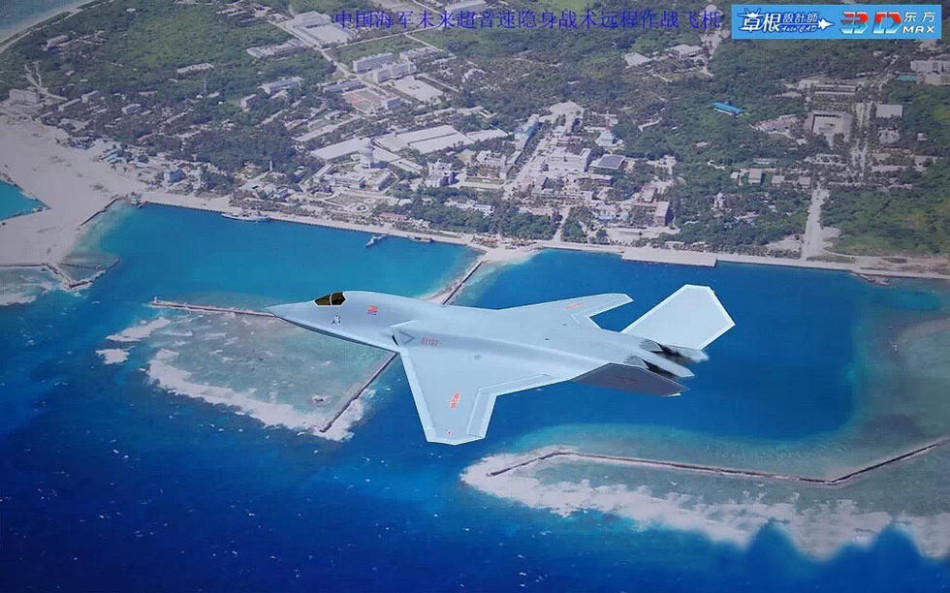
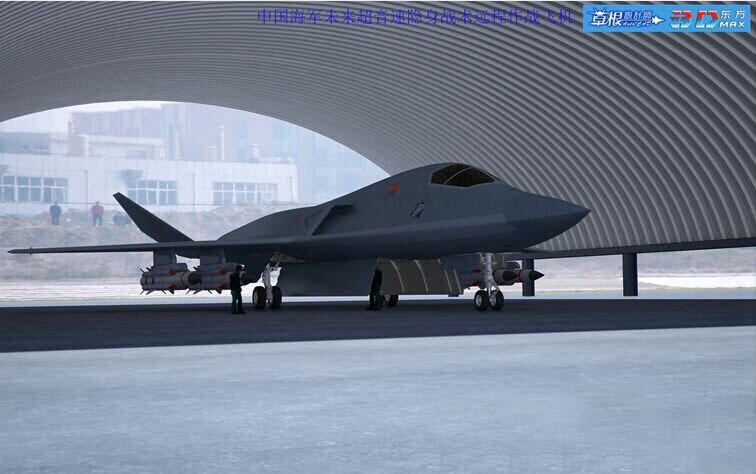
Китай ведет разработку уникального бомбардировщика-невидимки

Если верить порталу defence-blog.com и если эта новость не запоздалая первоапрельская шутка, то Поднебесная хочет иметь в своем арсенале малозаметный фронтовой бомбардировщик. 

Сообщается, что прототип может быть построен к 2025 году и в перспективе новый самолет заменит такие истребители-бомбардировщики как JH-7 Flying Leopard. Максимальная скорость стелс-бомбардировщика составит 1600 км/ч, а его дальность действия превысит 4700 км. Потолок сможет достигать 17 тыс. м. Помимо широкого применения мер, улучшающих малозаметность, примечателен еще один технический аспект. Речь идет о размещении экипажа бок-о-бок. Это решение впервые будет использовано на малозаметных боевых самолетах.
Концепция крылатой машины перекликается с концепцией российского фронтового бомбардировщика Су-34. Судя по всему, новый самолет станет узкоспециализированным бомбардировщиком, имеющим опциональную возможность поражать воздушные цели. В контексте нынешних реалий такой подход видится странным, поскольку современные истребители де-факто являются многофункциональными комплексами, способными выполнять весь спектр боевых задач (как поражение воздушных целей, так и нанесение точечных ударов по земле). Поэтому зачем создавать специализированный фронтовой бомбардировщик, да еще и с чистого листа – неясно.
Ранее США вынашивали похожую идею: на базе истребителя пятого поколения F-22 хотели построить бомбардировщик FB-22. Впоследствии от нее отказались, поскольку почти все функции такой машины смогут выполнять истребители F-22 и F-35, а также беспилотные летательные аппараты.

Заметим, что если фронтовые бомбардировщики (такие как Су-24) уходят в историю, то со стратегической авиацией прощаться пока рано. Как Америка, так и Россия разрабатывают стратегические бомбардировщики нового поколения. Есть сведения, что похожие работы ведет и Китай.

©Defence-blog
©Defence-blog

среда, 1 апреля 2015 г.

US Army Leaders Make Case for AMPV Decision

HuntaZeitung — US Army officials shot down the possibility for a wheeled ambulance variant of the armored multipurpose vehicle (AMPV), just the latest chapter in a drama over the vehicle between industry, the Army and Capitol Hill.
In December, the US Army awarded a contract worth $1.2 billion to BAE Systems to begin building the AMPV. BAE was the only contractor still in the running after General Dynamics Land Systems pulled out of the competition in May, complaining that the Army's requirements unfairly favored the tracked Bradley fighting vehicle derivative that BAE was submitting.
BAE is signed to deliver 29 vehicles in five variants in a 52-month engineering, manufacturing and development phase that will lead to a contract to replace all 2,897 M113 vehicles in the Army's armored brigade combat teams (ABCTs). However, GD lobbied the Hill get its eight-wheeled Stryker vehicle in the running for an ambulance variant and another 1,922 M113s in use supporting echelons above brigade (EAB) the service eventually wants to replace.
In a brief at an Association of the US Army convention here, acquisitions officials strove to put the matter to rest, outlining why the BAE's tracked vehicle provided the best mobility, as compared with the Stryker on a variety of terrain, particularly for an ABCT, and defending the program's fairness.
BAE Systems received an engineering, manufacturing and development contract for the US Army's Armored Multi-Purpose Vehicle program.(Photo: BAE Systems)
"The AMPV was about meeting the requirements, there was never a specification for a wheeled or tracked vehicle," said Col. Michael Milner, the AMPV project manager. "We provided industry a list of requirements, industry was able to provide feedback and eventually was issued an RFP [request for proposals] on those requirements. The proposal selected did happen to be a tracked vehicle."
Brig. Gen. David Bassett, the Army's program executive officer for Ground Combat Systems, said Stryker ambulances were "wonderful in their intended formations," but an ABCT's ambulances need to be able to go wherever the brigade's other vehicles go to retrieve wounded soldiers.
"We want to make sure we can get an ambulance to that point of need," Bassett said. "The arguments about the mobility being roughly equivalent are using analytical methods that don't represent the true traffic-ability of a wheeled versus a tracked solution."
The medical evacuation variant transports medics to troops on the front line, and evacuate them to a treatment variant, which is used to carry equipment for a battalion aid station.
Bassett said officials wanted to provide the best vehicle under a particular price, and "need to leverage" common components with the Bradley.
The aging M113 was terminated in 2007 because of it lacked required armor and was unable to accommodate modern electronics. The AMPV, with 78 percent more space and two, 400-amp generators, would include mortar carrier, mission command, general purpose, medical evacuation and medical treatment variants, all on a similar chassis.
Milner touted a common drive train, power plant, electronics and underbody across the five variants, all mature systems that would speed production and fielding. The drive train and suspension are common to the Bradley and the Paladin Integrated Management, a self-propelled howitzer.
The plan is to go to a preliminary design review this summer and a critical design review next summer, with first delivery in late 2016. From there, intermittent tests will lead to the limited user tests in late 2018. The fielding is not going to be complete until the mid-2020s.
The matter of wheeled versus tracked vehicles is not entirely settled, as other studies are ongoing.
The Army released one study to the House Armed Services Committee last month, and it found that the other units in the brigade had similar requirements to the AMPV, "but that's not to say those will be the requirements."
The Pentagon's Cost Assessment and Program Evaluation office is expected to complete its study soon that concentrates on medical variants, Milner said.
The Army is also conducting a formal analysis of alternatives for echelons above brigade at the behest of the Senate Appropriations Committee tat is expected to wrap in 2016.

вторник, 31 марта 2015 г.

Війна дронів на Донбасі


Від початку конфлікту на сході України обидві сторони протистояння використовують безпілотники для спостереження за силами противника та розвідки.
Кореспонденти ВВС Наталя Антелава та Абдужаліл Абдурасулов поспілкувалися із бійцями українського добровольчого батальйону під Донецьком та побачили, як відбувається запуск українських дронів.
Кореспонденти відзначають, що через брак ресурсів більшість таких апаратів добровольці роблять власноруч.

воскресенье, 29 марта 2015 г.

Why military wants to spend billions on new Air Force One

(Photo: AP)
Boeing 747 planes become Air Force One when the commander in chief is aboard. The current planes are getting old, and the Pentagon wants to buy new ones. CBS News' Mark Albert reports from behind the scenes on how for the first time the military may buy three 747s to replace the current two.
Air Force One is the most recognizable aircraft in the world: six stories tall, two-thirds of a football field long and carrying immeasurable prestige.
More than "Hail to the Chief," more than the ubiquitous Secret Service agents, even more than the famous seal, there is no more identifiable symbol of the mobile presidency than Air Force One.
"It has come to represent the power of the American presidency, the reach of the American presidency," author Ken Walsh said. "It's come to symbolize American technology and America's technological prowess."
Walsh wrote a book on Air Force One and has covered the past five presidents for U.S. News and World Report. He's flown on Air Force One about 300 times, which begs the question, what's it like to fly on the presidential aircraft?
"For a president, it's fabulous," Walsh said with a laugh. "When they left office, the four who've left office say the thing they miss the most is Air Force One."
But under their polished exterior, the two aircraft that commonly serve as Air Force One are aging, now a quarter-century old. Even though both Boeing 747-200s have only flown a fraction as much as a commercial 747 of the same age, the Air Force says it's time for a new generation of presidential wings.
"We've got a pretty good size team working on it," Air Force Col. Amy McCain said.
McCain is in charge of ordering the new Air Force One.
"The current airplane was fielded in 1991," McCain said. "It's the only 747-200 left in the United States that is flying. So it costs a lot more time and money to keep that airplane flying than it used to. It's actually cheaper in the long run to replace it."
McCain's team has grown from 20 people to 80 in just the past year. It will soon expand to 100.
In January, the Air Force announced its intention to use Boeing's 747-8 airframe.
The long-range, wide-body aircraft is made in Everett, Washington. It comes with a longer fuselage, greater wing span and new engines and avionics. It will be heavily modified with all of the latest technological and security gear. But this symbol of America doesn't come cheap.
Updated budget documents show its request to Congress starts with $102 million this year, and the numbers quickly gain altitude to more than $3 billion in total in the next five years. And that's not counting the final three years of the project.
Some say that the aircraft does not need to be replaced and that the taxpayers simply can't afford to buy a new presidential plane.
"The top priority is an affordable aircraft that will meet the presidential requirements," McCain said. "We're buying up to three. It depends on all the availability of having two airplanes available for the president at any one time."
If the deal takes off, the current Air Force One will likely land in the National Museum of the U.S. Air Force in Dayton, Ohio, home to nine presidential aircraft.
The museum's historian, Jeff Underwood, said the history of the presidential aircraft is filled with triumph and turbulence.
Franklin Roosevelt was the first to fly while in office. The plane the president took to Yalta in 1945 had an electric-powered elevator.
The four-engine Douglas plane, code-named "The Sacred Cow," was modified for the president, who was stricken by polio at age 39.
Roosevelt flew on the plane only once before his death. Harry Truman then used it, signing the act that created the Air Force.
The Boeing 707 that took the first American president to China is at the museum. It carried eight presidents over 36 years.
Jackie Kennedy approved the now-iconic blue and white design still in use today.
The 707 also flew the Kennedys to Dallas and President Kennedy's successor back to Washington.
The original log book from that date shows the one flight with two presidents, after Lyndon Johnson took the oath of office in a packed, sweltering cabin.
The headwinds of history buffeted George W. Bush aboard Air Force One on 9/11 as the plane became an airborne refuge after the terror attacks.
In 70 years of presidential flight, Underwood said the unique set of aircraft we now know as the Air Force One has taken the country to new heights.
"This is not just the president's plane," Underwood said. "This is the plane that belongs to the people of the United States. When you look on the side of the airplane, it tells you, United States of America. This is a symbol of the United States, and we are the people of the United States."
The Air Force hopes to sign the first contract with Boeing later this year for the next Air Force One. The goal is to have the new 747s flying the president eight years from now in 2023.

Ukraine Conflict Stalls Indian AF Upgrades

India will need to explore fresh options, including direct purchase, to shore up its air transport fleet as the Ukraine conflict has stymied the upgrade of its AN-32 aircraft, an Indian Air Force official said.
The last five of 40 AN-32 aircraft being upgraded in Ukraine have become "untraceable," the official said, and the local upgrade of the remaining 64 AN-32s has halted as Ukraine engineers departed and supplies of spares stopped.
"As AN-32 formed the bulk of the medium-lift segment of the transport fleet, urgent replacement of the Avro fleet, finalization of the joint development of medium transport aircraft and possible fresh purchases are some of the options which IAF will need to work on an urgent basis," retired Air Force wing commander Bhim Singhal said.
In addition to the AN-32, the Air Force uses the Russian-made IL-76, British-made Avro, which is license-produced by Hindustan Aeronautics, and the US-made C-17 and C-130J Super Hercules.
In 2009, India contracted with Ukraine's state-owned arms trading agency, Ukrspetsexport Corp., to upgrade its 104 AN-32 transport aircraft at a cost of US $400 million as the fleet had reached its life expectancy. The program, which was to run through 2017, involved the upgrade of 40 aircraft in Ukraine and 64 under technology transfer from Ukraine at the Air force Chakeri, Kanpur-based base repair depot.
However, only 35 aircraft, upgraded at Kiev-based Antonov State Co. facilities in Ukraine, have returned, while the last five remain stranded due to the conflict.
"These five aircraft are almost lost as it is difficult to trace them and diplomatic efforts to find their whereabouts have failed," the Air Force official said.
A diplomat from the Ukraine Embassy said Antonov must resolve this issue with the Air Force, and that the government cannot help. Antonov officials were unavailable for comment.
The local upgrade at the Kanpur depot, which began three years ago, halted last year. Six aircraft were put for upgrade but work had to be discontinued as the Ukraine engineers left and only one container of spares from Ukraine had arrived, the Air Force official said.
The upgrade of the AN-32 would have extended the aircraft's life by 40 years with improved avionics, modernization of the cockpit and payload capacity being increased from 6.7 to 7.5 tons.
The AN-32 upgrade also includes spares from Honeywell and some Russian supplies.
"IAF had all along been maintaining that the local upgrade includes indigenization of spares and parts, and that most of them have been executed. With the local upgrade halted, these claims has been proven false," Singh said.
With the Indian government emphasizing strategic lift for internal deployment and the rushing of troops to the Chinese and Pakistani borders, additional transport aircraft are needed, Singh said.
AVRO Replacement
The status of replacing the Air Force's 56 Avro transports is unclear as only Airbus Defense & Space of Spain, which proposed the C-295 in a tie up with India's Tata Advanced Systems, has bid for the $3.5 billion tender, which closed late last year.
Ukraine's Antonov did not file a bid because the Defence Ministry refused to give it an extension.
With only one bidder, the tender faces cancellation.
Meanwhile, India and Россия propose to jointly develop a medium-lift transport plane capable of ferrying 80 troops together with infantry fighting vehicles or light tanks, artillery guns and ammunition, aimed at replacing the AN-32 fleet.
Russia's UAC and Hindustan Aeronautics have established a company, the Multi Role Transport Aircraft Ltd., as an Indo-Russian joint venture for the Medium Transport Aircraft program. But a final production agreement is not emerging because of issues relating to production work share.

суббота, 28 марта 2015 г.

Pentagon Finds Air Force Is Spending Billions on Drones It Doesn't Need

Internal watchdog report obtained by Pentagon has questioned the air force’s increased spending on drones, suggesting it is a waste of money


A Reaper drone.
 A Reaper drone. Photograph: SWNS
The Pentagon’s internal watchdog has questioned the air force’s need for 46 armed Reaper drones, and suggested the flying service is wasting $8.8bn on superfluous aircraft.
As purchases of General Atomics’s MQ-9 Reaper ballooned from 60 aircraft in 2007 to the current 401, air force officials did not justify the need for an expanding drone fleet, the Pentagon said.
During that time, costs for purchasing one of the signature counter-terrorism weapons of Barack Obama’s presidency increased by 934%, from $1.1bn to more than $11.4bn, according to a declassified September report by the Pentagon inspector general. Purchasing costs are a fraction of what the drones cost to operate and maintain over their time in service: in 2012, the Pentagon estimated the total costs for them at $76.8bn.
The Guardian obtained a copy of the inspector general’s report under the Freedom of Information Act.
Responding to heavy demand for additional aerial intelligence from troops deployed in Afghanistan, Iraq and elsewhere, the former defense secretary Leon Panetta in 2011 ordered the air force to buy sufficient drones to perform 65 combat air patrols, missions that require up to four aircraft to observe a target for nearly 24 hours.
But the air force’s air combat command “did not conduct and maintain consistent, complete and verifiable analyses for determining the necessary MQ-9 procurement quantity”, the inspector general found. Combing through insufficient or incorrect air force analyses, Pentagon investigators found that the officials “could not provide the underlying support for aircraft quantity determinations” and sidestepped a bureaucratic process for determining needed capabilities.
Military officers, however, have complained that expanding missions have overtaxed the drone fleet. In November, anonymous officials told the Daily Beast a drone shortage for surveillance and attack missions against the Islamic State (Isis) contributed to an intelligence shortfall against a premier US battlefield target.
Pentagon inspectors found that the air force’s inability to justify its continuing Reaper purchases risks wasting $2.5bn for 13 mission-ready drones; $2.1bn for 11 training drones; $958m for five test drones; $766m for four air national guard drones; and $1.7bn for nine attrition-reserve drones.
The per-cost waste of the questionable drone purchases works out to roughly $192m for each of the 46 Reapers the inspector general was unable to justify buying.
The air combat command’s director of plans said the Pentagon study significantly overstated the potential waste costs, pegging it at $593.4m for 46 Reapers instead of nearly $9bn, and underestimated the stress on the air force to provide sufficient drones for commanders.
“We are concerned that your report does not highlight these dynamic characteristics of an MQ-9 program that evolved during a period of significant conflict to meet warfighter needs at OSD [Office of the Secretary of Defense] direction,” Major General Scott J Zobrist wrote to the inspector general in August.
The inspector general replied that it included operational and support costs in its estimate, commensurate with air force acquisition data for the Reaper, to account for the discrepancy.
While not conceding that the air force does not need the 46 Reapers, Zobrist directed his staff to incorporate the inspector general’s criticisms “in our ongoing MQ-9 cost and capability ISR [intelligence, surveillance and reconnaissance] gap study”, due in March 2015. That study addresses the inspector general’s chief recommendation for the Reaper purchases.
After the inspector general released an unclassified synopsis of the report in September, the air force claimed the watchdog relied on outdated, year-old information.
“The air force is only buying 346 aircraft, 55 fewer than the 401 figure contained in the report and we’ve only received about half that number. The projected total Reaper fleet of 346 is far less the service had originally estimated prior to sequestration,” a three-star air force general told the aviation website FlightGlobal.
A different senior air force official, Major General John Winters, agreed with the inspector general that the Air Force Requirements Oversight Office “should validate necessary MQ-9 quantities and costs in an updated requirements document”

пятница, 27 марта 2015 г.

Вертолет Ми-28НЭ — летучий антитанк круглосуточного действия

Как хорошо, что на каждый танк с нарезкой находится что-нибудь с винтом! Например, Ми-28НЭ — гроза любой ползучей техники.
Ми-28НЭ
Ми-28НЭ разработан в ОКБ им. Миля и предназначен для поиска и уничтожения танков и других бронированных интервентов, а также малоскоростных воздушных целей (опрометчивых вражеских вертолетов, БПЛА и прочего). Не говоря уже о хрупких солдатах из обычного мяса. Вертолет может уничтожать все это в любых погодных условиях и даже в полной темноте.
Здесь Ми-28Н «Ночной охотник» позирует с собратьями по гнезду — Ка-52 «Аллигатор» и Ми-8.
Боевые вертолеты чаще всего сбиваются наземными средствами ПВО при визуальном контакте. Иными словами, пока противник тебя не видит, ты в относительной безопасности. Ради маскировки вертолет должен все время летать на малой высоте, прячась в складках местности, маскируясь на лесных опушках и в руслах рек. Но вблизи земли значительно труднее пилотировать аппарат: в любую минуту может перед носом оказаться препятствие. В Ми-28НЭ в таких ситуациях пилоту помогает автоматизированная система управления, значительно снижающая нагрузку на него при огибании земного рельефа. При большом желании вертолет можно пилотировать даже в пещере, если вдруг враги засядут там.
ТТХ Ми-28Н

Впрочем, если потребуется воевать на высоте, Ми-28НЭ тоже не подведет. На нем можно выполнять почти весь комплекс фигур высшего пилотажа, даже пресловутую «мертвую петлю». Специфические вертолетные фигуры («бочки» и перевороты с разворотом) позволяют летчику быстро уходить от противника, срывая захват головок самонаведения его ракет, или самому столь же быстро нацеливать на него оружие. При маневрах достигаются перегрузки в 3g. В мире не много вертолетов, которые способны такое выдержать, но для Ми-28НЭ это считается нормальной рабочей величиной.
Ми-28 в разрезе

Пока пилот управляет верткой штучкой, его коллега — оператор вооружения — вплотную занимается уничтожением цели. В этом ему помогает оптико-электронная система ГОЭС-520, а иногда и надвтулочная РЛС «Арбалет». Эта РЛС называется так потому, что установлена на самой высокой точке машины — над втулкой воздушного винта. Так что Ми-28НЭ может, оставаясь в засаде за лесом или холмом, выставить лишь «прицел», не показываясь врагу целиком. РЛС осуществит поиск целей, оператор отсортирует их по степени опасности и важности, а потом вертолет мгновенно «выпрыгнет» и расстреляет разведанные объекты управляемыми ракетами.
Вертолет Ми-28

Сверхзвуковая высокоточная ракета «Атака-В», идущая в комплекте с вертолетом, имеет радиокомандную систему наведения повышенной помехозащищенности, которая, в отличие от лазерных систем наведения, легко находит цели в пелене дыма, пыли, при сильном тумане или в условиях поставленной противником защитной аэрозольной завесы.

Конкуренты

При всей своей маневренности Ми-28НЭ не самый мощный и не самый быстрый.
США
McDonnell Douglas AH-64D Apache Longbow, США
Боевая нагрузка 771 кг на 4 узлах подвески
Двигатели 2 х ГТД General Electric T700-GE-701C мощностью по 1950 л. с.
Скорость, max 276 км/ч
Cкороподъемность, max 13 м/с
Практический потолок 4465 м
Дальность полета 480 км
Вооружение 30-мм пушка M230 Chain Gun, 16 ПТУР AGM-114D Longbow Hellfire или 4 ПУ М260
Экипаж 2 человека
Италия
AW129, Италия
AW129, Италия

Боевая нагрузка 1200 кг на 4 узлах подвески
Двигатели 2 х ГТД LHTEC-T800 мощностью по 1335 л. с.
Скорость, max 278 км/ч
Скороподъемность, max 4,6 м/с
Практический потолок 6500 м
Дальность полета 561 км
Вооружение 8 УР Hellfire, или TOW-2, 76 70-мм НУРС, или 38 81-мм НУРС, или 4–8 ракет Stinger
Экипаж 2 человека

США
AH-1W / AH-1Z Super Cobra, США

Боевая нагрузка 1775 кг на 4 узлах подвески
Двигатели 2 х ГТД General Electric T700-GE-401 мощностью по 1640 л. с.
Скорость, max 389 км/ч
Скороподъемность, max 8,8 м/с
Практический потолок 5500 м
Дальность полета 1500 км
Длина 13,9 м
Общая высота 4,02 м
Вооружение 20-мм трехствольная пушка M197 Vulcan; 8 ПТУР BGM-71 TOW и т. п.
Экипаж 2 человека