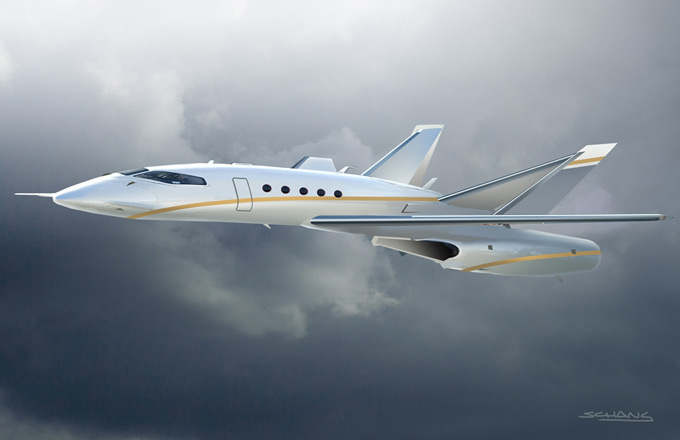
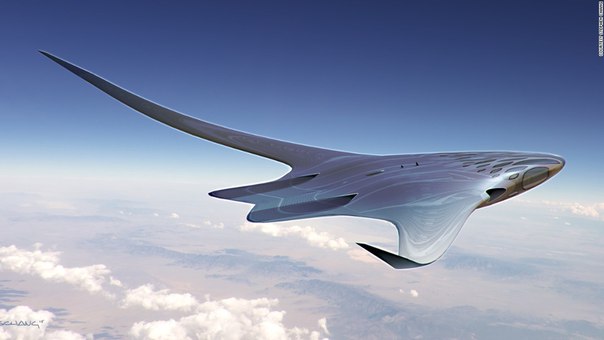
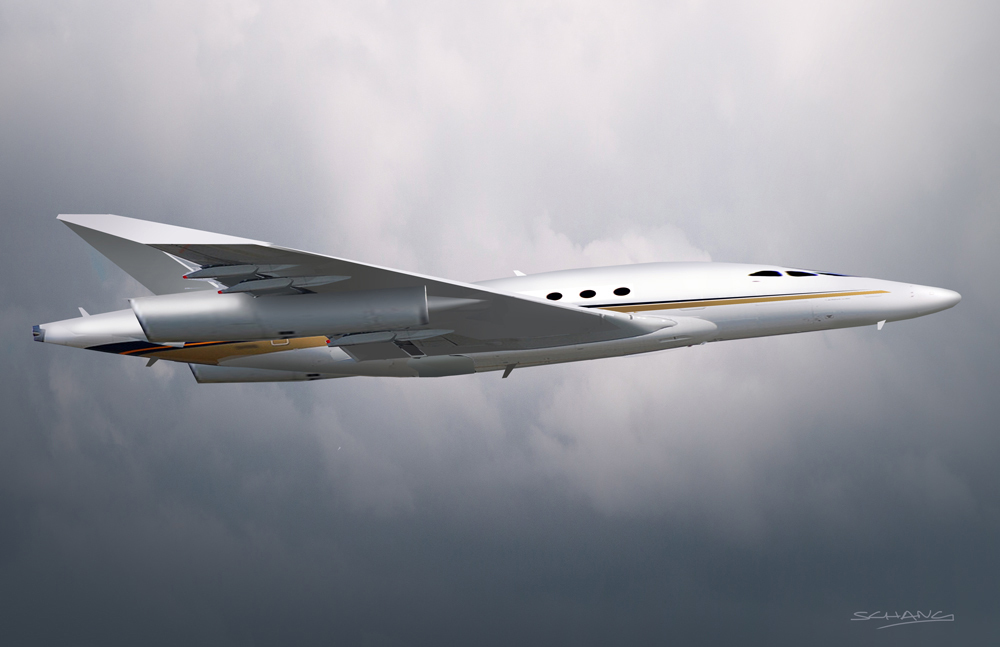
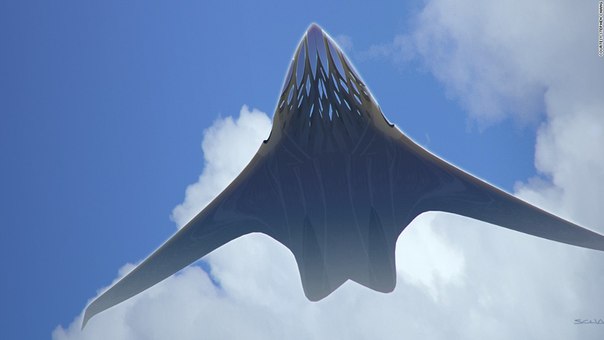
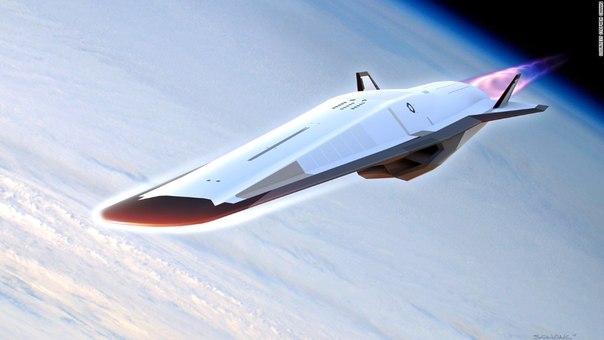
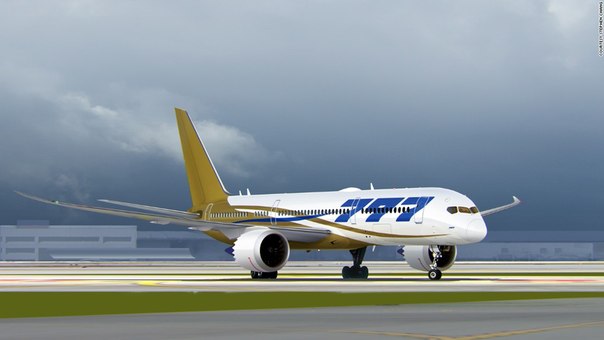
Люди, механизмы и виртуальная реальность объединились в работах Стивена Чанга, одного из создателей концепта для саги «Звездные войны».
Стивен Чанг в свое время был старшим разработчиком концептов в компании LucasArts – известного разработчика игр, курируемого отцом «Звездных войн» Джорджем Лукасом. Чанг работал над такими игровыми проектами как «Человек-паук-3» 2007 года, а также двумя частями Star Wars: The Force Unleashed.
Кстати, именно Стивен Чанг стал автором дизайна «Неуловимой тени», космического аппарата ученика Дарта Вейдера, выпущенного в серии игрушек LEGO. Сейчас Чанг работает в Magnus Rex Studio. «Моя цель – сформировать эстетику будущего, раздвинуть границы реальности. Я хочу объединить эстетику людей, машин и программ», – говорит Стивен Чанг.
Let’s first get one misconception out of the way: Black holes scattered across the universe are not empty spaces, but in fact a lot of matter crammed into a small area. Their density is so extreme that not even a beam of light can escape the power of their gravitation pull. In many ways, they are the cosmological equivalent of an animal with an insatiable appetite, consuming anything that ventures too close.
Для этого простого, но эффектного трюка нужно отрезать верхушку чайного пакетика и высыпать из него заварку. Если поджечь такую ракету, она взлетит благодаря восходящему потоку теплого воздуха.
Несмотря на то, что данный фокус иллюстрирует вполне серьёзное физическое явление, мы не можем не проиллюстрировать его «бородатым» анекдотом от Юрия Никулина.
Прилетели на Луну русские и американцы. У русских сломалась ракета и они обратились к американцам: — Можно на вашей ракете на Землю вернуться? — Нет, конечно! В ракете место только для нас! — А купить вашу ракету можно? — Вы что? Как купить? 100 миллиардов долларов! — А можно часть ракеты? — Какую часть? Тут берется пакетик с чаем и палец указывает на картонку: — Вот это что? — Это кабина! — Не нужна! Картонка отрывается от веревочки. Указывает на веревочку: — А это что? — Это самый главный кабель! — Не нужен! Веревочка отрывается. Указывает на чай в пакетике: — А это что? — Это топливо! — Не нужно! Пакетик разрывается и чай высыпается. Остается сам пакетик. — А это что? — Это топливный бак! — Вот на нем мы и полетим! — Как же вы на нем полетите? — А вот так! Пакетик поджигается и… уносится в воздух.
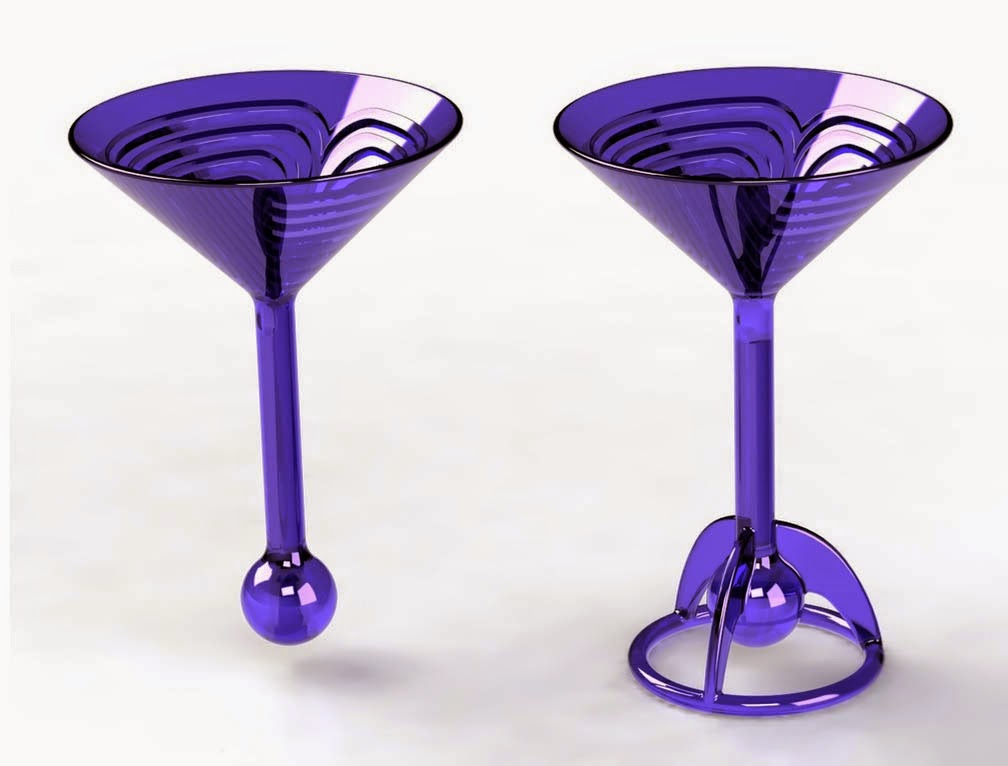
Remember that time you traveled to space and, instead of drinking your alcoholic beverage from a cocktail glass like a gentleman, you had to sip it through a straw from a bag like an animal? Ah the perils of celestial travel, where propriety is abandoned in the name of "utility." Well, fortunately there's a company out there who actually gives a damn about you and your cosmic travails. All three of you. That's right, despite the fact that there are literally 12 trillion better ways to spend money, a company called Cosmic Lifestyle Corp. is seeking funding on Kickstarter for the Zero Gravity Cocktail Project, an open-top cocktail glass
that can be used in space. According to their Kickstarter page, astronauts using it would be able to drink from it as if they were on Earth. But the project isn't just about making getting blotto in space more civilized, they also want to "inspire the idea of a future when space hotels are in orbit and settlements are on other planets [where] people can relax and enjoy the experience of a quality drink." Nothing like putting the cart before the horse.
The company is currently seeking an initial investment of $30K to make several 3D-printed prototypes and then test them on parabolic flights, where zero-gravity can be simulated. And though the concept has, according to their page, received support from the Space Frontier Foundation and the Space Tourism Society, as of writing they've only raised a little over $2,000. So apparently the world hasn't gone completely mad. Behind every cloud and all of that.
Примечание 0: посвящается выходу фильма на торрентах оптических носителях.
Примечание 1: если вы ещё не смотрели фильм, то в этом переводе есть спойлеры!
Примечание 2: это перевод выдержки из книги Кипа Торна «Наука Интерстеллар». В отрывке обсуждаются существа, которых в оригинале называют «bulk beings». В русском переводе эту фразу никак, насколько я понял, не перевели, да и в фильме их упомянули всего один раз. По смыслу – это существа, эволюционировавшие до высших измерений, т.е. до измерений, больших, чем 4 (3 пространственные + время). Так что я решил перевести название как «высшие существа».
Все персонажи фильма убеждены в существовании высших существ, хотя используют это слово очень редко. Обычно персонажи говорят об этих существах «Они». В начале фильма Амелия Брэнд говорит астронавту Куперу: «Кто бы Они ни были, Они, по-видимому, заботятся о нас. Эта чёрная дыра позволит нам добраться до других звёзд. Она появилась тогда, когда мы в ней нуждались». Одна из интересных идей Кристофера Нолана состоит в том, что Они – это эволюционировавшие люди. В далёком будущем в их распоряжении оказалось ещё одно пространственное измерение, и они живут во многомерном пространстве. В конце Купер говорит роботу TARS: «Ты не понял? Это не существа. Они – это мы, пытаются помочь, как я пытался помочь Мёрф». TARS отвечает: «Люди не строили этот тессеракт». «Пока нет, — говорит Купер, — но когда-нибудь. Не мы с тобой, но люди, люди, которые эволюционировали за пределы известных нам четырёх измерений».
Двумерная брана и трёхмерное пространство
В 1844 году Эдвин Эббот написал сатирическое произведение Флатландия: Многомерный роман. Хотя эта сатира викторианской эпохи сейчас выглядит старомодной, она сильно связана с Интерстеллар. Рекомендую к прочтению.
Она описывает приключения квадратного существа, живущего в двумерной вселенной Флатландии. Квадрат оказывается в одномерной вселенной Лайнландии, в нуль-мерной вселенной Пойнтландии и в трёхмерной Трёхмерии.
Когда я встретился с Кристофером Ноланом, мы оба с удовольствием отметили, что читали это произведение и оно нам понравилось.
Представьте, что вы – двумерный квадрат, живущий во Флатландии. Это может быть поверхность стола или бумаги, или резиновая мембрана. Я буду по-современному называть её двумерной браной.
Как образованное существо, вы подозреваете о существовании трёхмерного пространства, в котором находится ваша брана, но не уверены в этом. Представьте, что однажды к вам приходит в гости сфера. «Высшее существо».
Сперва вы не понимаете, что это высшее существо, но понаблюдав и подумав, вы не находите другого объяснения. Вы наблюдаете следующее: внезапно, без предупреждения и без видимого источника, на вашей бране появляется голубая точка. Она расширяется в голубой круг, который растёт до максимального диаметра, а затем сжимается обратно в точку, и исчезает (левая часть картинки).
Если верить в закон сохранения материи, нельзя создать что-то из ничего. Значит, происшедшее можно объяснить только тем, что изображено в правой части картинки. Трёхмерное существо, сфера, прошла через вашу брану. При этом вы наблюдали её двумерное сечение.
Представьте, что человек из трёх измерений пересекает вашу двумерную брану. Что вы увидите?
Высшие существа из пятого измерения, пересекающие нашу трёхмерную брану
Представьте, что наша вселенная с тремя пространственными и одним временным измерением, находится в пятимерном пространстве (четыре пространственных и одно временное). И там есть живые существа. У них должны быть центр и поверхность. Их поверхность будет состоять из всех точек, в четырёхмерном пространстве, которые находятся на определённом расстоянии от центра – например, 30 сантиметров. Поверхность существа будет иметь три измерения, а внутренности – четыре.
Представьте, что это существо пересекает нашу брану. Что мы увидим? Очевидно, сферические сечения гиперсферы.
Из ниоткуда появится точка (1), расширится до трёхмерной сферы (2), которая будет расширяться до максимума (3), затем сжиматься (4), дойдёт до точки (5) и исчезнет.
Можете представить, что мы увидим, если через нашу брану пройдёт четырёхмерный человек? Для этого надо представить, как выглядит четырёхмерный человек, и как выглядят его сечения.
Природа высших существ и их гравитация
Из чего же сделаны высшие существа? Наверняка не из такой же материи, как мы. У атомов три измерения, они могут существовать только в трёх измерениях. Как и субатомные частицы. Как и электрические и магнитные поля и та сила, что держит вместе атомы ядра.
Лучшие учёные умы пытались понять, как материя, силы и поля ведут себя, если наша вселенная – это действительно брана в многомерном пространстве. И пришли к выводу, что все частицы, силы и поля должны быть ограничены нашей браной, за исключением одной силы – гравитации, и тем искажением пространства, которое она создаёт.
В четырёх измерениях могут быть и другие поля и силы, но мы их не можем засечь. Можем только рассуждать и фантазировать – а физики этим и занимаются. Но экспериментальных подтверждений у нас нет. В фильме мы видим такие рассуждения на доске профессора Брэнда.
И скорее всего мы никогда не сможем их увидеть или почувствовать. При проходе высших существ через нашу брану мы не увидим их состав – их сечения будут прозрачными.
С другой стороны, мы почувствуем гравитацию и искривление пространства и времени. К примеру, если в моём желудке появится гиперсфера с достаточно сильным притяжением, мой желудок сожмётся, а мускулы напрягутся, сопротивляясь притяжению.
Если сечение многомерного существа появится и исчезнет перед шахматной доской или палитрой, его искривление пространства будет работать как линза, изменяя видимую картинку. Если существу будет вращаться, оно может затянуть пространство в водоворот.
Купер, Брэнд и команда корабля Эндюранс не чувствовала гравитации высших существ и не видела искривления пространства. Это, может быть, мы увидим в следующей части фильма, если она будет. Но старший Купер, летя через измерения закрывающегося тессеракта, достаёт до команды Эндюранс и более молодого себя при помощи гравитации. Брэнд видит и чувствует его присутствие, и думает, что он – это Они.
Полярное сияние — это свечение верхних слоев атмосферы обладающей магнитосферой планеты вследствие ее взаимодействия с заряженными частицами солнечного ветра.
17 марта жители средней полосы России могли наблюдать крайне редкое для наших широт событие — северное сияние.
Что это за явление и как оно возникает? SciShow дает обстоятельный ответ на этот вопрос. Оказывается, все не так и сложно!
В середине июля 2015 года дальний космический зонд New Horizons достигнет цели своего эпического, почти 10-летнего перелета и окажется близ Плутона.
Мы до сих пор толком не представляем себе, как выглядит поверхность этой далекой карликовой планеты, – аппарат станет первой миссией, которая посетит ее окрестности и позволит составить карту поверхности и Плутона, и его спутника Харона.
Готовясь к этому эпохальному событию, Международный астрономический союз (IAU) – кстати, единственная организация, имеющая право присваивать официальные имена космическим телам, так что не верьте мошенникам, предлагающим за деньги присвоить любое название, –открыл прием вариантов для еще не открытых на Плутоне и Хароне деталей ландшафта: кратеров и гор, возвышенностей и морей…
Вы можете выдвинуть свой вариант в рамках одной из нескольких категорий: знаменитые исследователи и первооткрыватели прошлого (Беринг, Дежнев и т.д.); мифические и легендарные путешественники (капитан Немо, Садко); сказочные подводные и подземные жители и царства (Нифльхейм, Тартар). Может быть, вы мечтаете о кратере Русалок или пике Ктулху? Дерзайте!
«Плутон принадлежит каждому, – заявляют работающие с миссией New Horizons ученые. – Поэтому мы хотим, чтобы все приняли участие в составлении карты этого далекого мира». Если вы хотите присоединиться к процессу, то поспешите: прием заявок и голосование завершатся уже 7 апреля.
This is world-building at its best: go behind the scenes of your favorite films and shows, from Guardians of the Galaxy to Game of Thrones, to see how massive castles, spaceships, explosions, and more get created
Game of Thrones, season 4
The Rodeo FX team won an Emmy for its work on the fourth season of Game of Thrones.
Terminator 2
The Fifth Element
Gimme da cash! Visual effects house built Digital Domain built the incredible future version of New York in miniature for 1997's The Fifth Element.
Alien
Go deep inside the making of the terrible, claustrophobic world of Alien.
The Avengers
This is Industrial Light and Magic's Oscar-nominated visual effects work for 2012's The Avengers: watch The Helicarrier get built pixel by pixel.
Blade Runner
Watch Douglas Trumbull and Ridley Scott explain how they worked with designer Syd Mead to build the iconic Blade Runner universe.
Prometheus
British production and post-production house MPC built the visual effects on Ridley Scott'sPrometheus.
District 9
Neill Blomkamp worked with Vancouver's Image Engine for much of the visual effects onDistrict 9.
X-Men: Days of Future Past
MPC also built the mutant world of X-Men: Days of Future Past. Watch the Sentinels get built, piece by piece.
Dune
This is how David Lynch and his team shot the massive Harkonnen and Atreides ships in Dune.
Star Trek
ILM visual effects designers break down how they created the Star Trek reboot's skydiving sequence scene with Kirk, Mike Olson, and Sulu.
Star Trek Into Darkness
ILM also worked on JJ Abrams' Star Trek into darkness. This video breaks down the Enterprise's crash into San Francisco and Spock's fight with Khan.
The Dark Knight
Christopher Nolan worked with New Deal Studios to build scale models for The Dark Knight.
Fast & Furious 6
MPC also helped create the fast-drifting world of Fast & Furious 6.
Godzilla
MPC's VFX Supervisor Guillaume Rochern (who also worked on Life of Pi) led the effects work on Gareth Edwards' Godzilla, reinventing the lizard king for the 21st century.
Captain America: The Winter Soldier
ILM also built 2014's Captain America: The Winter Soldier: watch as Helicarriers crash into S.H.I.E.L.D. headquarters in the film's wild final action sequence just outside of Washington D.C..
Tree of Life
Visual effects legend Douglas Trumbull explains how he embraced "organic effects" instead of computer graphics in Terrence Malick's The Tree of Life.
Cloverfield
Here's 22 wonderful minutes on how the visual effects team built New York, monsters, and more for 2008's Cloverfield.
Pacific Rim
ILM modeled much of downtown Hong Kong for the kaiju battles — and total destruction.
Guardians of the Galaxy
Guardians of the Galaxy
British visual effects company Framestore conceived of and designed the most complicated Marvel environment ever created when they built Knowhere, the fictional outpost located inside the severed head of a celestial being in last summer's blockbuster Guardians of the Galaxy.
Day of the Dead
Guardians of the Galaxy
Tom Savini has been a go-to effects guy in horror for decades, not the least of which is for his realistic and gruesome splatter effects. Here's the behind-the-scenes of the last of George Romero's original zombie trilogy, 1985's Day of the Dead.
On May 10, 1869, Leland Stanford raised a hammer and drove a golden spike into railroad tracks in Promontory, Utah. It marked the symbolic completion of the Transcontinental Railroad.
For the first time in American history, the East and West were connected. The Transcontinental Railroad would transform the United States by establishing a national economy driven by coast-to-coast commerce.
Today, thanks to a revolutionary idea envisioned by Lockheed Martin, we’re creating a new kind of Transcontinental Railroad – for delivery of supplies in space. One that enables human exploration to destinations deeper in space than ever before.
And it proceeds from a proposal on how to resupply the International Space Station (ISS) as part of the Commercial Resupply Services-2 contract issued by NASA.
The solution involves three major elements: a robotic spacecraft called Jupiter, a cargo container about the size of a railroad car named the Exoliner, and a robotic arm.
A United Launch Alliance Atlas V rocket launches the Jupiter spacecraft and an Exoliner fully stocked with supplies into space. Jupiter then transports the Exoliner to the ISS, where it berths to the station so that astronauts can unload the cargo and fill the Exoliner with waste.
Later, when the ISS is ready for a new shipment, another Atlas V launches a new Exoliner. The already on-orbit Jupiter replaces the current Exoliner with the new one. The old Exoliner is disposed of using the Atlas V Centaur upper stage.
“This concept is based on flight-proven technology,” said Wanda Sigur, vice president and general manager of Civil Space for Lockheed Martin Space Systems Company. “We’re just bringing innovative technology together to make some much bigger things possible.”
Jupiter builds on the same design as the MAVEN spacecraft, now in orbit around Mars, the Juno spacecraft on the way to Jupiter, and OSIRIS-Rex, currently under construction for an asteroid sample return mission.
The Exoliner derives from Thales Alenia Space’s cargo carrier used on the European Space Agency’s Automated Transfer Vehicle, a time-tested design that is proven to be safe, reliable and affordable. It has performed flawlessly in five successful trips to the ISS.
Built by MDA, Jupiter’s robotic arm draws from arms that have served on the ISS and Space Shuttle for more than 30 years.
This system for resupplying the ISS brings numerous benefits, including a reusable vehicle, expanded cargo capacity, fewer launches, and the option for sharing costs by carrying commercial payloads.
But even more, it promises much greater – and transformational – possibilities.
Imagine Jupiter and an Exoliner sent into deep space, with Orion. As Orion goes deep into space, be it near the moon or further out to Mars, the astronauts will need more room, and more supplies.
The Exoliner doubles the crew volume and provides room to stretch out. The Jupiter spacecraft is already designed for deep space since its siblings go to Mars and asteroids.
It’s even possible to send fully-stocked Exoliners ahead of a crewed Orion mission, pre-positioning supplies of food, fuel, water, construction materials and scientific equipment for the astronauts to access when they arrive.
These systems will be placed at points along the route, serving as a deep space resupply depot between Earth and Mars.
“Just imagine a future of interplanetary shipping lanes to the Moon and Mars, bustling autonomous spacecraft carrying supplies, scientific instruments and construction materials for habitats,” said Jim Crocker, vice president and general manager of Space Systems Company International. “Picture commercial hosted payloads and cube sats, sharing space with NASA instruments and reducing costs. Picture a fleet of space habitats, serving as orbiting labs and helping Orion astronauts on their journey to Mars.
With just three building blocks: Jupiter, the Exoliner and the robotic arm, we are forming a new Transcontinental Railroad in space. And with that comes the promise of a very similar revolutionary transformation for America.
Американская компания Lockheed Martin запланировала создание космического аналога трансконтинентальной железной дороги для путешествий в глубоком космосе.
Система будет состоять из трех базовых элементов: космического аппарата Jupiter, грузового контейнера Exoliner размером с железнодорожный вагон и робота-манипулятора. Jupiter вместе с полностью укомплектованным «грузовиком» Exoliner будут запускаться в космос с помощью тяжелой ракеты-носителя Atlas V. Аппарат доставит контейнер с продовольствием на МКС и пристыкует к ней; космонавты разгрузят Exoliner и затем заполнят, к примеру, отходами.
Позже, когда МКС потребуется очередная поставка с Земли, новый контейнер Exoliner будет запущен ракетой Atlas V, а находящийся всё это время на орбите Jupiter «подберет» его и доставит к МКС, заодно забрав со станции старый контейнер и отправив его на Землю вместе с отработанной ступенью ракеты. Авторы проекта отмечают, что такая схема транспортировки будет выгоднее всех существующих и обеспечит большую грузоподъемность.
Jupiter построен по той же схеме, что марсианский орбитальный аппарат MAVEN, автоматическая межпланетная станция Juno («Юнона»), запущенная к Юпитеру, и перспективный космический аппарат OSIRIS-Rex. Exoliner разработан корпорацией Thales Alenia Space, которая строила автоматический грузовой космический корабль ATV для Европейского космического агентства. Робот-манипулятор сконструирован компанией MDA и основан на технологиях, успешно применяющихся на МКС и космических шаттлах уже более 30 лет.
Потенциально такая система может обслуживать промежуточные точки при полетах к небесным телам в далеком космосе. «Флот» аппаратов Jupiter с контейнерами Exoliner, расположенный по пути, скажем, на Марс, может решить проблему транспортировки грузов в глубоком космосе и обеспечить космонавтов необходимым продовольствием, топливом, водой и оборудованием.
Albert Einstein may have proven faster-than-light travel to be impossible, but if I were grading his papers I'd simply say, "Try harder." The rules of physics certainly haven't stopped sci-fi creators from inventing plausible-sounding (or infinitely improbable) ways to travel to the stars. Here, then, are the 10 most awesome systems of faster-than-light travel in sci-fi.
Warp Drive
Found in:Star Trek
Warp drive is surely the most famous way to get your butt to a distant star. But, as with anything related to Star Trek, there's not a simple explanation. The basic story is that if you combine matter and antimatter fused with some dilithium, you can create a subspace bubble that exists outside the normal fabric of space–time. With warp plasma spewing out of a ship's nacelles you can now propel yourself faster than light to varying degrees (the famous "warp factor" you'll often hear Starfleet captains shouting about).
Maintaining a warp drive ain't easy, which is why every iteration of Star Trek had an (awesome) chief engineer and a set with a big blue glowy thing. For that reason alone it is at the top of the list. Plausibility Factor: We're gonna give this one an 8 and direct you to the work of Miguel Alcubierre. In 1994 he presented a paper on the "Alcubierre Drive" that presents concepts very similar to a warp bubble.
Hyperdrive
Found in:Star Wars
There is no clearer distinction between the Stars (Trek and Wars) than in the way they present technology. Star Trek will beat you into submission with its technobabble until you finally relent and decide that this all must make sense. Team Lucas, on the other hand, will marvel you with whiz-bang wonderment until you accept that this galaxy far, far away runs on magic.
The Millennium Falcon and other ships travel across enormous distances using hyperdrive, which is a system maintained—if you follow Chewbacca's model—by banging on the ship's interior plating until, finally, you go fast. If one looks under the hood (i.e., reads some of the expanded universe books), you'll learn that hyperdrive technology involves collecting gamma radiation, fusing it in a hyperdrive motivator, and maintaining a stable corridor of space with a null quantum field generator. It also makes all the white stars go streaky—a total freakout for 1977. Plausibility Factor: An 8 also, for two reasons. One, it is important to maintain detente between the Star Trek and Star Wars camps. Two, we'd like to point to the work of Mark G. Millis, a NASA alum and founder of the Tau Zero Foundation who has written extensively on the possibility of "forms of propulsion where the fundamental properties of matter and spacetime are used to create propulsive forces anywhere in space without having to carry and expel a reaction mass."
The Infinite Improbability Drive
Found in:The Hitchhiker's Guide to the Galaxy
It's what's beating within Zaphod Beeblebrox's commandeered ship Heart of Gold. The Infinite Improbability Drive is one of the more purely mathematical systems of faster-than-light travel, making quantum calculations determining the least likely point in space and then suddenly sending you there. Hitchhiker's author Douglas Adams is a little vague as to whether this is a propulsion or teleportation system, but, then again, quantum mechanics is a little vague, too. (In the radio and TV version it looked like a running shoe.)
Adams said he came up with the infinite improbability drive after he'd written himself into a corner. Any rescue he devised seemed improbable, so he therefore decided to pick the most improbable. Plausibility Factor: N/A. You really want to debate the plausibility of something called the Infinite Improbability Drive? Adams's outrageous creation doesn't deserve to be confined to a 1 to 10 scale.
FTL Drive
Found in:Battlestar Galactica (new continuity)
While the mechanics of Battlestar's FTL "jumps" are left somewhat to the imagination, its tactile nature is a perfect example of why BSG is so awesome. Deriving its power from rare tylium ore, the FTL drive can essentially pick you up and plop you down at any point in space, provided you have advanced tracking facilities and the time to plot your course. Indeed, the Cylons—being machines—had better computers and therefore could get the jump, if you will, on the Colonials. In cases of extreme emergency, one could make a "blind jump"—basically slamming the Go button, asteroids and space debris be damned—but you need to be as gutsy as Michelle Forbes's Admiral Cain to do such a thing.
Most of the time a jump is preceded by a "spooling-up," in which the camera angle gets all funky and distorted, oftentimes causing noobs to get sick. Also, using the FTL too much can give your ship metal fatigue. Plausibility Factor: The science seems suspect, but major points for adding in all the difficulty of upkeep. Let's give it a 5.
TARDIS
Found in:Doctor Who
The BBC may not have been a big-budget operation when it created Doctor Who, but it recognized that space and time were irrevocably connected. So the jumping vessel, the TARDIS, didn't just set you down somewhere—it set you down somewhen.
(Also, the TARDIS is bigger on the inside than the outside—but that's a different article.)
The Time and Relative Dimension in Space machines used by the Time Lords don't all look like an antiquated police box (the one on the show has a faulty chameleon circuit.) The ships are actually grown, drawing their power from an artificial singularity known as the Eye of Harmony. They are technically alive, and in one episode, the consciousness of the TARDIS entered a humanoid. Yeah, we're getting into some weird territory here. Plausibility Factor: Very low. But we'll give it a 2 because it integrates time and space and, well, we used to watch a lot of public television.
Holtzman Drive
Found in:Dune
If you want to travel far out, you have to get far out. Frank Herbert's Dune books make great use of the Holtzman Effect, a grouping of scientific phenomena that can, among other things, fold space itself. That's right—why travel off to a distant star when you can make that distant star come to you? (Kinda.)
What's neat is that the Spacing Guild doesn't need just the advanced technology of a Holtzman drive, but also a pilot who is hopped up on the Spice Melange and can navigate through patterns in foldspace. In this world, then, the designated driver is the one who's the highest. In David Lynch's film version (which many purists reject), a giant space slug shoots squiggly things at a glowing gold box to initiate the drive. Cinema! Plausibility Factor: This is all rather heavy, but it is hard not to salute Herbert for thinking of a solution from an unusual point of view. Let's go with a 4.
Starburst
Found in:Farscape
Some people name their cars and even talk to them. The Farscape universe takes the next logical step: There are a whole group of biomechanoid ships called Leviathans. They have personalities and thoughts and will adapt and grow to fit the need of their crew.
One of their killer apps is something the Builders gave them called Starbursts. It is the ability to travel at superluminal speeds in cases of extreme urgency. It is essentially a fight-or-flight mechanism, but heavy on the flight. Using a Starburst will not only tucker out a Leviathan, but also wipe all of its navigational data for a spell. Plausibility Factor: The awesome factor for Starbursts is high. But considering I can't even get one of those automated vacuum cleaners to work, I think we're a long way from this. Let's say 3.
Kearny-Fuchida Drives
Found in: BattleTech
According to the mythos of the BattleTech tabletop/computer/video games, novels, comics, and anime shows, the principles behind faster-than-light travel will be discovered at Stanford University in just six years. (Get ready, people!)
About a century later, further work will be done on the theories of Drs. Thomas Kearny and Takayoshi Fuchida to create hyperspace energy fields using large, superconductive masses of titanium and germanium. Sounds easy enough, but the system needs huge amounts of energy, so solar sails are used for time-consuming power-ups from stars. (And there are fewer and fewer full service stations!) Furthermore, unlike with other systems, you just can't jump anywhere—gravitational pull can make "reentry" unstable, so coordinates must be far above a star's ecliptic path. Use of the K-F Drive also does a number on the subatomic particles of the effected region. Plausibility Factor: For the very fact that using the drives causes so much trauma, let's give this one a 6.
Conjoiner Drives
Found in:Revelation Space
A mysterious defense system preventing the development of faster-than-light travel is one of the key arcs in Alastair Reynolds's fantastic (and ongoing) Revelation Space books. The Earth-descendant peoples (some more mechanically augmented than others) travel in ships called Light Huggers that, as the name suggests, travel at nearly the speed of light.
What makes the Light Huggers so cool (specifically the Nostalgia for Infinity, a ship at the heart of many adventures) is how the relativistic fields create a Tarantino-esque storytelling timeline, even if individual characters just think they are traveling in a straight line.
Light Huggers derive their power from Conjoiner Drives that contain a tiny wormhole reaching back in time and drawing power from quark–gluon plasma created by the big bang. Only a certain number of these wormholes exist, so the technology cannot be replicated—no one remembers how to build them or where they came from. Plausibility Factor: Alastair Reynolds had a career as an astronomer in the European Space Agency prior to writing books. He talks a good game, so I'll give him a 5 and say he's on to something.
Boom Tube
Found in: DC Comics
We haven't talked that much about wormholes. And that's fine with me. In most science fiction wormholes are just stumbled upon—it seems to be an easy fix to fill in plot holes.
However, wormholes are plentiful in sci-fi, so they deserve their nod. But if I'm gonna wimp out and travel this way, I'm ignoring everything from the titular Stargates to the Taelonian Portals of Earth: Final Conflict and going to take a boom tube.
First seen in Jack Kirby's tripped-out New Gods books, the boom tube was a wormhole that "stemmed from the waves of the mind" and could zap you from places like Apokolips and New Genesis to Earth. This has since been altered to something far less fanciful—boom tubes are currently powered by a "mother box." Recently, Superman, Batman, and Wonder Woman used one to fight Granny Goodness and the Female Furies and rescue Kara Zor-El from Darkseid. Hey, you asked.
Plausibility Factor: I'm going with a 7. Every article you read about how faster-than-light travel is impossible contains an asterisk that says "unless we somehow discover wormholes." Scientists seem to think that wormholes aren't the craziest idea in the multiverse, so I'm holding out hope that I'll make it Proxima Centauri after all.