Показаны сообщения с ярлыком cargo. Показать все сообщения

четверг, 16 апреля 2015 г.

Завод Антонов представил новый самолет

На государственном предприятии Антонов сегодня официально проходит презентация нового самолета АН-178.
Фотографии самолета на своей странице в Facebook выложил мэр Киева Виталий Кличко, который присутствует на презентации.
Этот самолет сможет в будущем использовать как армия, так и гражданская авиация.
"На Антонова уже работают над его версией для украинской армии", - написал Кличко.
Отметим, строительство первого экземпляра самолета началось в 2013 году, при этом сам самолет разрабатывался с 2010 года как замена для устаревших моделям Ан. Самолет создается на базе пассажирского Ан-158, лишь недавно запущенного в серийное производство.
facebook.com/merkievafacebook.com/merkievafacebook.com/merkieva

суббота, 4 апреля 2015 г.

The big players in aviation are pinning their hopes on twin-engine jetliners like the Airbus A350 and Boeing 787 Dreamliner, which promise greater efficiency due to their groundbreaking composite designs. But with these planes set to take over more and more transoceanic routes, those two engines could be a problem. To follow the "great circle" routes that are the most direct routes between cities, which can save hours and lots of fuel on ultra long-distance flights, planes can fly far from land over remote stretches of ocean. With twin-engines planes, however, losing one engine could leave the jet searching for a place to make an emergency landing as quickly as possible.
And the closest airfield could be hundreds of miles away. Just this past weekend, a United Airlines flight from Honolulu to Guam diverted to the remote island of Midway, the site of an historic WWII battle, after the pilot reported smoke in the cockpit. This wasn't an engine failure; the cause was a malfunctioning equipment cooling fan, United said after it flew in a replacement plane to pick up the 348 passengers and crew. But this kind of problem isn't totally uncommon. Just two months earlier, a Delta 767 made an emergency landing on Wake Island, another WWII site with a rarely used runway left over from its days as a naval base. That time, the airborne emergency was caused by an engine problem, just the kind of scenario that's sparking worries about how far a twin-engine jet can stray from land.
Just six weeks ago, the two-engine 787 won FAA approval to fly as far as five and half hours from the nearest suitable landing strip, the same as the 777. That was a major coup for Boeing, especially after the jetliner's much-documented troubles with its lithium batteries. In fact, after the plane was grounded in 2013, the FAA hinted that it might not even grant the Dreamliner a more conservative 180-minute certification for extended twin-engine operations (ETOPS). That would have ruled out many routes over the Pacific, where distances are so vast that airlines also depend on a network of far flung diversion airports like Wake and Midway to comply with ETOPS requirements.
Years ago, airlines were permitted to fly twin-engine planes no more than sixty minutes from the nearest airfield. Once jets like the 767, 777 and A330 started replacing 747s and DC-10s on the North Atlantic, Boeing and others argued successfully that twin-engine jets were so reliable that it made little sense to restrict them. The costs saved by flying twin engines on long stretches are so compelling that many airlines made the switch on the longest routes.
Of course, any plane—even one with four engines—can have a in-flight emergency. A Qantas 747 reportedly once had to land on deserted Johnston Atoll in the southern Pacific, a chemical waste site that was decommissioned as a working airfield in 2007. Midway, about 1,300 northwest of Hawaii, is a protected sanctuary for the albatross, which apparently are such a danger to planes that landings can only be made safely at night for a good part of the year. Others include Shemya and Adak, two treeless and tundra-covered islands in the Aleutians chain off Alaska where winter temperatures can dip well below freezing. Flights taking polar routes can also avail themselves of some landing strips in Siberia in an emergency, where conditions are even harsher. Farther south in the Pacific and near the South Pole, there are even fewer alternatives, which is why Airbus was recently reported by the Wall Street Journal to be seeking an ETOPS of 420 minutes, or seven hours, to make possible non-stops on routes like Australia to Brazil or New Zealand to South Africa.
To fly the super long routes under ETOPS, the specific aircraft has to get a special certification that requires extra maintenance and rigorous checks as well as enhanced fire suppression and emergency systems onboard the plane. Among things, the jet has to demonstrate that it can safely fly on one engine for the maximum number of hours approved.
John Cox, a pilot and head of an aviation safety consultancy, says the ETOPS program actually has made long-distance flying safer overall. The twin jets that get this rating "are actually more robust than the earlier generation three- or four-engine airplanes," he says, and the latter can effectively operate without any restrictions on their distance from land. "We are now routinely flying over vast oceans with a better safety record."
But what if an engine does conk out? "Nobody likes losing an engine," Cox notes, no matter where they are, but this isn't the doomsday scenario most people assume. With the lower power generated by just one engine, the plane would go into what pilots call "driftdown", or flying at a lower altitude at slower speeds. As fuel burns off, the plane would be lighter and could ascend to higher altitudes. There are few routes in the world where the plane would be so far from an airport that it would need to take advantage of the maximum time allotted under the expanded ETOPS rules, he says.
Aircraft manufacturers, the FAA, and many safety experts say the record for ETOPS operations is excellent. But the public may take bit more convincing. After all, the industry's inside joke is that ETOPS stands for "Engines Turn or Passengers Swim."

четверг, 2 апреля 2015 г.

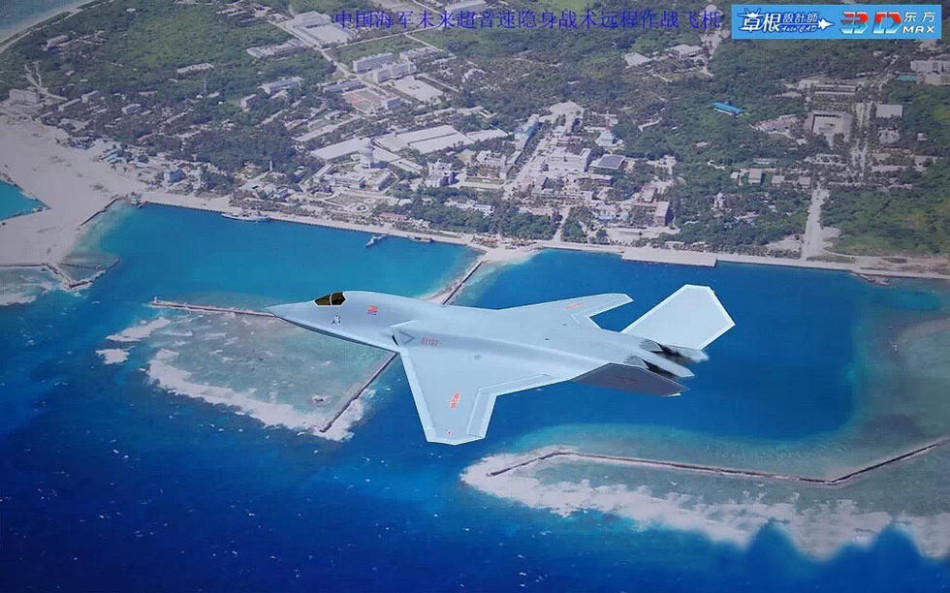
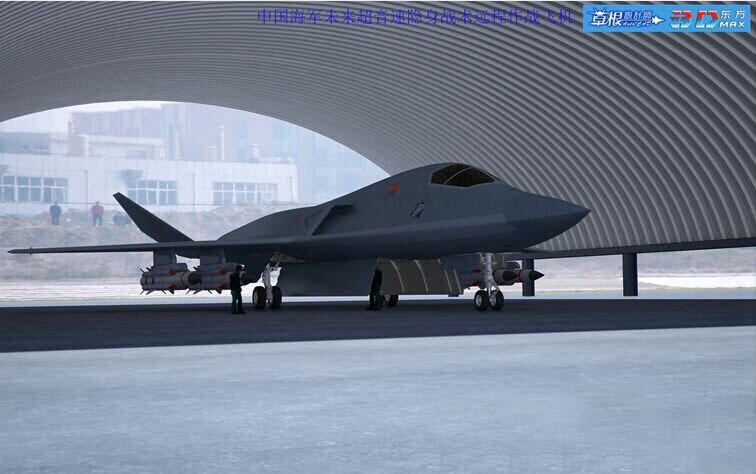
Китай ведет разработку уникального бомбардировщика-невидимки

Если верить порталу defence-blog.com и если эта новость не запоздалая первоапрельская шутка, то Поднебесная хочет иметь в своем арсенале малозаметный фронтовой бомбардировщик. 

Сообщается, что прототип может быть построен к 2025 году и в перспективе новый самолет заменит такие истребители-бомбардировщики как JH-7 Flying Leopard. Максимальная скорость стелс-бомбардировщика составит 1600 км/ч, а его дальность действия превысит 4700 км. Потолок сможет достигать 17 тыс. м. Помимо широкого применения мер, улучшающих малозаметность, примечателен еще один технический аспект. Речь идет о размещении экипажа бок-о-бок. Это решение впервые будет использовано на малозаметных боевых самолетах.
Концепция крылатой машины перекликается с концепцией российского фронтового бомбардировщика Су-34. Судя по всему, новый самолет станет узкоспециализированным бомбардировщиком, имеющим опциональную возможность поражать воздушные цели. В контексте нынешних реалий такой подход видится странным, поскольку современные истребители де-факто являются многофункциональными комплексами, способными выполнять весь спектр боевых задач (как поражение воздушных целей, так и нанесение точечных ударов по земле). Поэтому зачем создавать специализированный фронтовой бомбардировщик, да еще и с чистого листа – неясно.
Ранее США вынашивали похожую идею: на базе истребителя пятого поколения F-22 хотели построить бомбардировщик FB-22. Впоследствии от нее отказались, поскольку почти все функции такой машины смогут выполнять истребители F-22 и F-35, а также беспилотные летательные аппараты.

Заметим, что если фронтовые бомбардировщики (такие как Су-24) уходят в историю, то со стратегической авиацией прощаться пока рано. Как Америка, так и Россия разрабатывают стратегические бомбардировщики нового поколения. Есть сведения, что похожие работы ведет и Китай.

©Defence-blog
©Defence-blog

Поворот «Розы ветров»: компания Windrose меняет место базирования в Украине

Крупная украинская чартерная компания Windrose сменит место базирования – международный аэропорт «Борисполь» на аэропорт «Киев» («Жуляны»). Владимир Каменчук, гендиректор Windrose, сообщил, что переговоры на этот счет проводятся достаточно активно. «Нам предложили хорошие условия, не думаю, что в «Борисполе» могут позволить себе такие же», – прокомментировал он. В компании отмечают, что сегодня обсуждается дисконт около 25% (по сравнению с тарифами «Борисполя») при определенных объемах перевозок.
Поворот  «Розы ветров»: компания Windrose меняет место базирования в Украине
Фото: windrose.aero
Вторая причина перехода в «Жуляны» – отсутствие более тяжелых самолетов. Windrose передала в аренду зарубежным заказчикам один Airbus A330 и четыре Airbus A321. Эти самолеты по техническим причинам не могли использовать взлетно-посадочную полосу в «Жулянах».
до $12
за одного пассажира может снизиться тариф для Windrose в «Жулянах» при увеличении перевозок до 20 000 пассажиров в месяц
Оптимизация флота стала вынужденной мерой и первым шагом в экономии затрат компании. «Кризис больно ударил по перевозчикам, особенно по тем, которые летали по туристическому направлению», – говорит Евгений Хайнацкий, директор туркомпании «Стиль Авиа». Каменчук рассказал Forbes, что Windrose за последнее время сократила перелеты в три раза.
Сейчас в парке авиаперевозчика остались два Airbus A320. По словам Каменчука, компания зимой летала в Турцию и Египет. С мая добавятся рейсы в Грецию, Хорватию, Черногорию и Болгарию. Всего планируется совершать 2-3 рейса в день из «Жулян». Договор с аэропортом в компании рассчитывают подписать на год.
Алексей Яковец, гендиректор компании «Мастер Авиа», управляющей аэропортом «Киев» («Жуляны»), подтвердил, что уже запущен процесс перехода Windrose в «Жуляны». «Сегодня к нам приезжали специалисты Windrose, которые проводили анализ технических возможностей аэропорта. Договоренности уже достигнуты, осталось сформировать все критерии на бумаге», – сообщил он.
Экономический эффект для компании будет ощутим, если она выйдет на заявленные объемы перевозок. Так, по словам Яковца, в «Борисполе» Windrose платила за каждого пассажира $17, а в «Жулянах» базовая ставка составляет $15, но с увеличением перевозок до уровня 20 000 пассажиров в месяц тариф может снизиться до $12.
Специалисты напоминают, что в «Борисполе» тоже действует система скидок, но почему-то она работает крайне редко, а если и действует, то только в отношении одной компании – «Международных авиалиний Украины».
Переход Windrose в более компактный аэропорт – вовсе не новая практика. В целях экономии в свое время из «Борисполя» переходили в «Жуляны» компании «Визз Эйр Украина», «Трансаэро», а также осуществляла региональную программу перелетов компания «ЮТэйр Украина» (международные рейсы остались в «Борисполе»).
«Только с более низкими затратами можно обеспечить низкую стоимость билетов, а главный аэропорт в любой стране, как правило, является весьма затратным с точки зрения обслуживания», – заявлял в 2011 году на пресс-конференции исполнительный вице-президент группы Wizz Air Джон Стефенсон. Между тем смена прописки Windrose может объясняться не только экономическими причинами.
В «Борисполе» отсутствует прогнозируемость. «Постоянно есть риск смены руководства, непостоянство дирекции, что сопровождается уголовными делами, проверками и так далее», – перечисляет Андрей Гук, партнер юридической фирмы «Анте», представляющей интересы авиакомпаний в судах.
По его словам, например, быстро и мобильно решать вопросы аренды под кассу или офис не получается, потому что помещения аэропорта – государственное имущество, и договоры необходимо заключать через Фонд госимущества, а это длительная и сложная процедура.
В «Борисполе» постоянно есть риск смены руководства, непостоянство дирекции, что сопровождается уголовными делами, проверками и так далее
Андрей Гук, партнер юридической фирмы «Анте», представляющей интересы авиакомпаний в судах
Уход Windrose из «Борисполя» вызвал удивление в Мининфраструктуры. Первый заместитель министра инфраструктуры Владимир Шульмейстер сказал, что для него это неожиданная новость. Он полагает, что аэропорт «Киев» на фоне снижения активности «Визз Эйр Украина» сделал такое предложение перевозчику, от которого трудно отказаться.
«Например, сам «Борисполь» не обращался в министерство с просьбой дать спецусловия упомянутой компании», – подчеркивает чиновник. В то же время Шульмейстер обещает разобраться с руководством аэропорта, почему был отпущен важный клиент, отсутствие которого может повлиять на финансовые результаты аэропорта «Борисполь». В самом аэропорту на момент сдачи материала ситуацию с Windrose не комментировали.
Впрочем, утверждать, что «Борисполю» сильно не повезло, тоже не стоит. Скорее, это больше помогло киевскому аэропорту. Александр Ланецкий, директор Friendly Avia Support, считает, что появление в «Жулянах» такого перевозчика, как Windrose, может несколько смягчить то падение, которое возникнет из-за сокращения рейсов «Визз Эйр Украина». «Потенциально это около 15-20 тысяч пассажиров в месяц. Эта цифра равносильна примерно 20% всего потока аэропорта, тогда как для «Борисполя» эта доля – не более 2%. Прецедент, конечно, неприятный, но это пример для других», – объясняет он.  

среда, 1 апреля 2015 г.

Improving performance with incremental innovation: The first enhanced 242-tonne A330 variant is granted EASA airworthiness approval


Underscoring the company’s philosophy for incremental innovation across its product line in order to meet ever-changing market needs, Airbus marked a key programme milestone with European Aviation Safety Agency (EASA) certification of the first 242-tonne maximum take-off weight A330-300 variant.
As Airbus’ latest evolution to the twin-engine A330 Family, the increased take-off weight A330-300 and A330-200 jetliners incorporate a new aerodynamic package, engine improvements and optional centre fuel tank activation for the A330-300 version – upgrades which offer more capability at a lower operating cost and also serve as the development platform for the A330neo (new engine option). 
The increased take-off weight A330-300 variant delivers an extended range of up to 6,100 nautical miles for operators with the new centre fuel tank configuration, while offering up to 2 percent reduction in fuel consumption.  In operational terms, this means Airbus’ 242-tonne A330-300 can fly routes connecting Europe and Southeast Asia; while serving over 90 percent of long-haul traffic from London. 
The EASA airworthiness approval covers the increased take-off weight A330-300 powered by GE CF6-80E1 engines – with this variant’s subsequent certification by the U.S. Federal Aviation Administration (FAA) expected to follow soon. The GE-powered A330-300 variant’s certification culminates Airbus’ successful flight test campaign that included approximately 100 total flight hours performed by an in-house development A330 jetliner to validate the new aerodynamic package, and a production aircraft to confirm the centre tank configuration and overall A330-300 performance. 
In the coming months, Airbus also is planning to certify the remaining increased take-off weight A330-300 and A330-200 variants for the jetliners’ other engine choices: the Rolls-Royce Trent 700 and Pratt & Whitney’s PW4000. U.S.-based launch customer Delta Air Lines is scheduled to take delivery of the initial increased take-off weight A330 variant later this year – as the first of 11 worldwide customers who have ordered this option since its launch in 2012.  Delta Air Lines selected the GE-powered version for its 242-tonne maximum take-off weight A330-300.
The incremental innovations incorporated on Airbus’ 242-tonne A330 variant represent a key step on the path toward the A330neo (new engine option), which was launched in 2014.  Benefitting from additional aerodynamic improvements and its use of new Rolls-Royce Trent 7000 engines, the A330neo will offer unmatched operating economics, while also featuring the latest cabin interior innovations

US Army Leaders Make Case for AMPV Decision

HuntaZeitung — US Army officials shot down the possibility for a wheeled ambulance variant of the armored multipurpose vehicle (AMPV), just the latest chapter in a drama over the vehicle between industry, the Army and Capitol Hill.
In December, the US Army awarded a contract worth $1.2 billion to BAE Systems to begin building the AMPV. BAE was the only contractor still in the running after General Dynamics Land Systems pulled out of the competition in May, complaining that the Army's requirements unfairly favored the tracked Bradley fighting vehicle derivative that BAE was submitting.
BAE is signed to deliver 29 vehicles in five variants in a 52-month engineering, manufacturing and development phase that will lead to a contract to replace all 2,897 M113 vehicles in the Army's armored brigade combat teams (ABCTs). However, GD lobbied the Hill get its eight-wheeled Stryker vehicle in the running for an ambulance variant and another 1,922 M113s in use supporting echelons above brigade (EAB) the service eventually wants to replace.
In a brief at an Association of the US Army convention here, acquisitions officials strove to put the matter to rest, outlining why the BAE's tracked vehicle provided the best mobility, as compared with the Stryker on a variety of terrain, particularly for an ABCT, and defending the program's fairness.
BAE Systems received an engineering, manufacturing and development contract for the US Army's Armored Multi-Purpose Vehicle program.(Photo: BAE Systems)
"The AMPV was about meeting the requirements, there was never a specification for a wheeled or tracked vehicle," said Col. Michael Milner, the AMPV project manager. "We provided industry a list of requirements, industry was able to provide feedback and eventually was issued an RFP [request for proposals] on those requirements. The proposal selected did happen to be a tracked vehicle."
Brig. Gen. David Bassett, the Army's program executive officer for Ground Combat Systems, said Stryker ambulances were "wonderful in their intended formations," but an ABCT's ambulances need to be able to go wherever the brigade's other vehicles go to retrieve wounded soldiers.
"We want to make sure we can get an ambulance to that point of need," Bassett said. "The arguments about the mobility being roughly equivalent are using analytical methods that don't represent the true traffic-ability of a wheeled versus a tracked solution."
The medical evacuation variant transports medics to troops on the front line, and evacuate them to a treatment variant, which is used to carry equipment for a battalion aid station.
Bassett said officials wanted to provide the best vehicle under a particular price, and "need to leverage" common components with the Bradley.
The aging M113 was terminated in 2007 because of it lacked required armor and was unable to accommodate modern electronics. The AMPV, with 78 percent more space and two, 400-amp generators, would include mortar carrier, mission command, general purpose, medical evacuation and medical treatment variants, all on a similar chassis.
Milner touted a common drive train, power plant, electronics and underbody across the five variants, all mature systems that would speed production and fielding. The drive train and suspension are common to the Bradley and the Paladin Integrated Management, a self-propelled howitzer.
The plan is to go to a preliminary design review this summer and a critical design review next summer, with first delivery in late 2016. From there, intermittent tests will lead to the limited user tests in late 2018. The fielding is not going to be complete until the mid-2020s.
The matter of wheeled versus tracked vehicles is not entirely settled, as other studies are ongoing.
The Army released one study to the House Armed Services Committee last month, and it found that the other units in the brigade had similar requirements to the AMPV, "but that's not to say those will be the requirements."
The Pentagon's Cost Assessment and Program Evaluation office is expected to complete its study soon that concentrates on medical variants, Milner said.
The Army is also conducting a formal analysis of alternatives for echelons above brigade at the behest of the Senate Appropriations Committee tat is expected to wrap in 2016.

воскресенье, 29 марта 2015 г.

Why military wants to spend billions on new Air Force One

(Photo: AP)
Boeing 747 planes become Air Force One when the commander in chief is aboard. The current planes are getting old, and the Pentagon wants to buy new ones. CBS News' Mark Albert reports from behind the scenes on how for the first time the military may buy three 747s to replace the current two.
Air Force One is the most recognizable aircraft in the world: six stories tall, two-thirds of a football field long and carrying immeasurable prestige.
More than "Hail to the Chief," more than the ubiquitous Secret Service agents, even more than the famous seal, there is no more identifiable symbol of the mobile presidency than Air Force One.
"It has come to represent the power of the American presidency, the reach of the American presidency," author Ken Walsh said. "It's come to symbolize American technology and America's technological prowess."
Walsh wrote a book on Air Force One and has covered the past five presidents for U.S. News and World Report. He's flown on Air Force One about 300 times, which begs the question, what's it like to fly on the presidential aircraft?
"For a president, it's fabulous," Walsh said with a laugh. "When they left office, the four who've left office say the thing they miss the most is Air Force One."
But under their polished exterior, the two aircraft that commonly serve as Air Force One are aging, now a quarter-century old. Even though both Boeing 747-200s have only flown a fraction as much as a commercial 747 of the same age, the Air Force says it's time for a new generation of presidential wings.
"We've got a pretty good size team working on it," Air Force Col. Amy McCain said.
McCain is in charge of ordering the new Air Force One.
"The current airplane was fielded in 1991," McCain said. "It's the only 747-200 left in the United States that is flying. So it costs a lot more time and money to keep that airplane flying than it used to. It's actually cheaper in the long run to replace it."
McCain's team has grown from 20 people to 80 in just the past year. It will soon expand to 100.
In January, the Air Force announced its intention to use Boeing's 747-8 airframe.
The long-range, wide-body aircraft is made in Everett, Washington. It comes with a longer fuselage, greater wing span and new engines and avionics. It will be heavily modified with all of the latest technological and security gear. But this symbol of America doesn't come cheap.
Updated budget documents show its request to Congress starts with $102 million this year, and the numbers quickly gain altitude to more than $3 billion in total in the next five years. And that's not counting the final three years of the project.
Some say that the aircraft does not need to be replaced and that the taxpayers simply can't afford to buy a new presidential plane.
"The top priority is an affordable aircraft that will meet the presidential requirements," McCain said. "We're buying up to three. It depends on all the availability of having two airplanes available for the president at any one time."
If the deal takes off, the current Air Force One will likely land in the National Museum of the U.S. Air Force in Dayton, Ohio, home to nine presidential aircraft.
The museum's historian, Jeff Underwood, said the history of the presidential aircraft is filled with triumph and turbulence.
Franklin Roosevelt was the first to fly while in office. The plane the president took to Yalta in 1945 had an electric-powered elevator.
The four-engine Douglas plane, code-named "The Sacred Cow," was modified for the president, who was stricken by polio at age 39.
Roosevelt flew on the plane only once before his death. Harry Truman then used it, signing the act that created the Air Force.
The Boeing 707 that took the first American president to China is at the museum. It carried eight presidents over 36 years.
Jackie Kennedy approved the now-iconic blue and white design still in use today.
The 707 also flew the Kennedys to Dallas and President Kennedy's successor back to Washington.
The original log book from that date shows the one flight with two presidents, after Lyndon Johnson took the oath of office in a packed, sweltering cabin.
The headwinds of history buffeted George W. Bush aboard Air Force One on 9/11 as the plane became an airborne refuge after the terror attacks.
In 70 years of presidential flight, Underwood said the unique set of aircraft we now know as the Air Force One has taken the country to new heights.
"This is not just the president's plane," Underwood said. "This is the plane that belongs to the people of the United States. When you look on the side of the airplane, it tells you, United States of America. This is a symbol of the United States, and we are the people of the United States."
The Air Force hopes to sign the first contract with Boeing later this year for the next Air Force One. The goal is to have the new 747s flying the president eight years from now in 2023.

Ukraine Conflict Stalls Indian AF Upgrades

India will need to explore fresh options, including direct purchase, to shore up its air transport fleet as the Ukraine conflict has stymied the upgrade of its AN-32 aircraft, an Indian Air Force official said.
The last five of 40 AN-32 aircraft being upgraded in Ukraine have become "untraceable," the official said, and the local upgrade of the remaining 64 AN-32s has halted as Ukraine engineers departed and supplies of spares stopped.
"As AN-32 formed the bulk of the medium-lift segment of the transport fleet, urgent replacement of the Avro fleet, finalization of the joint development of medium transport aircraft and possible fresh purchases are some of the options which IAF will need to work on an urgent basis," retired Air Force wing commander Bhim Singhal said.
In addition to the AN-32, the Air Force uses the Russian-made IL-76, British-made Avro, which is license-produced by Hindustan Aeronautics, and the US-made C-17 and C-130J Super Hercules.
In 2009, India contracted with Ukraine's state-owned arms trading agency, Ukrspetsexport Corp., to upgrade its 104 AN-32 transport aircraft at a cost of US $400 million as the fleet had reached its life expectancy. The program, which was to run through 2017, involved the upgrade of 40 aircraft in Ukraine and 64 under technology transfer from Ukraine at the Air force Chakeri, Kanpur-based base repair depot.
However, only 35 aircraft, upgraded at Kiev-based Antonov State Co. facilities in Ukraine, have returned, while the last five remain stranded due to the conflict.
"These five aircraft are almost lost as it is difficult to trace them and diplomatic efforts to find their whereabouts have failed," the Air Force official said.
A diplomat from the Ukraine Embassy said Antonov must resolve this issue with the Air Force, and that the government cannot help. Antonov officials were unavailable for comment.
The local upgrade at the Kanpur depot, which began three years ago, halted last year. Six aircraft were put for upgrade but work had to be discontinued as the Ukraine engineers left and only one container of spares from Ukraine had arrived, the Air Force official said.
The upgrade of the AN-32 would have extended the aircraft's life by 40 years with improved avionics, modernization of the cockpit and payload capacity being increased from 6.7 to 7.5 tons.
The AN-32 upgrade also includes spares from Honeywell and some Russian supplies.
"IAF had all along been maintaining that the local upgrade includes indigenization of spares and parts, and that most of them have been executed. With the local upgrade halted, these claims has been proven false," Singh said.
With the Indian government emphasizing strategic lift for internal deployment and the rushing of troops to the Chinese and Pakistani borders, additional transport aircraft are needed, Singh said.
AVRO Replacement
The status of replacing the Air Force's 56 Avro transports is unclear as only Airbus Defense & Space of Spain, which proposed the C-295 in a tie up with India's Tata Advanced Systems, has bid for the $3.5 billion tender, which closed late last year.
Ukraine's Antonov did not file a bid because the Defence Ministry refused to give it an extension.
With only one bidder, the tender faces cancellation.
Meanwhile, India and Россия propose to jointly develop a medium-lift transport plane capable of ferrying 80 troops together with infantry fighting vehicles or light tanks, artillery guns and ammunition, aimed at replacing the AN-32 fleet.
Russia's UAC and Hindustan Aeronautics have established a company, the Multi Role Transport Aircraft Ltd., as an Indo-Russian joint venture for the Medium Transport Aircraft program. But a final production agreement is not emerging because of issues relating to production work share.

суббота, 28 марта 2015 г.

Less Leasing Love From Lessors


6800196849_cfcc40776a_z
Image: Courtesy JDL Multimedia
New airplanes are good for everyone; that’s the story aircraft manufacturers are pushing and even some airlines are buying in to. With greater fuel efficiency, longer range, and higher capacity, the push is on to get new aircraft into every airline’s hangars.
United Airlines predicts that it will save approximately two million annually for each Boeing 757-200 it replaces with a new Boeing 737-900ER in its domestic fleet, for example, but this prediction is based when aviation fuel prices were much higher. Meanwhile, Allegiant has made a different business decision of flying old–but reliable–aircraft until they break; then, Allegiant will replace them with another inexpensive, older plane, but it would seem that Qatar Airways CEO Akbar Al Baker has a much different different approach as he recently suggested that the 787s his airline has recently acquired will be out of the fleet in less than a decade, making way for newer and larger aircraft.
Boeing expects to be producing 52 of its 737 aircraft each month by 2018 while Airbus is increasing its A320 family output to 46 per month by Q2 2016. Some widebody aircraft, such as the A330 or 747-8 families, are seeing reductions in production rates to partially offset the increase while others, including the 787 family, see increasing production rates to counter large backlogs.boeing-777-moving-line-starts2006_28409
And then there are those who worry about the ever increasing pace of aircraft delivery and its potential impact on the market overall. Many of them are in the aircraft leasing and financing business who are faced with a rapidly changing market structure and demand profile, one which the major manufacturers are upsetting with increased production rates.
CIT Aerospace, a lessor with roughly nine billion in aircraft under management, and plans to buy 15 A330neo aircraft, pressed for caution amongst the manufacturers in the near future. The statement was made at the International Society of Transport Aircraft Trading (ISTAT) conference recently amidst talk of an even greater push by Airbus and Boeing to capture market share.
Much of it comes down to residual value and amortization over time. The lessors historically have depended on a reasonably strong secondary market, often in secondary or tertiary countries, where used aircraft can operate reliably well after the initial service run at a major carrier. Today, however, more and more airlines are buying new from Airbus or Boeing rather than taking planes second-hand. More airlines are focusing on providing the comfortable passenger experience rather than simply transportation from A to B.
So airlines are owning new planes for shorter lifecycles and buying or leasing fewer used planes. This glut of inventory pushes down costs in the secondary market which is understandably bad for the lessors, but what does it mean to the broader industry as a whole? Passenger experiences are generally better on newer planes and the environmental impact is hard to argue, but for the airlines, is it better to run the newer aircraft with higher capital costs and lower operating costs or the older planes with that ratio reversed? Especially if the secondary market continues to see declining prices. This will impact the first owners of new planes down the line as they look to unload and cash out on the airframe.
Ultimately, this could portend an inversion in the market where the traditional legacy carriers start operating more and more second-hand planes to better control total costs while the upstarts, flush with investor cash or loan guarantees, happily take the new planes off assembly lines around the world. And, in the middle, the private-sector financing groups will struggle to make a profit from the industry where public financing seems spectacularly easy to secure.

четверг, 26 марта 2015 г.

U.S. Air Force overstepped bounds in SpaceX certification: report

The unmanned Falcon 9 rocket, launched by SpaceX and carrying NOAA's Deep Space Climate Observatory Satellite, lifts off from launch pad 40 the Cape Canaveral Air Force Station in Cape Canaveral, Florida February 11, 2015. REUTERS/Scott Audette

The unmanned Falcon 9 rocket, launched by SpaceX and carrying NOAA's Deep Space Climate Observatory Satellite, lifts off from launch pad 40 the Cape Canaveral Air Force Station in Cape Canaveral, Florida February 11, 2015.
CREDIT: REUTERS/SCOTT AUDETTE


(FlightClub) - The U.S. Air Force overstepped its bounds as it worked to certify privately held SpaceX to launch military satellites, undermining the benefit of working with a commercial provider, an independent review showed on Thursday.
The report cited a "stark disconnect" between the Air Force and SpaceX, or Space Exploration Technologies, about the purpose of the certification process and recommended changes.
Air Force Secretary Deborah James ordered the review after the service missed a December deadline for certifying SpaceX to compete for some launches now carried out solely by United Launch Alliance, a joint venture of Lockheed Martin Corp and Boeing Co.
The Pentagon is eager to certify SpaceX as a second launch provider, given mounting concerns in Congress about ULA's use of a Russian-built engine to power its Atlas 5 rocket.
The Air Force said on Monday it was revamping the certification process, but did not release the report on the review until Thursday and hoped to complete the work by June.
The report, prepared by former Air Force Chief of Staff General Larry Welch, said the Air Force treated the process like a detailed design review, dictating changes in SpaceX's Falcon 9 rocket and even the company's organizational structure.
That approach resulted in over 400 issues that needed to be resolved, which was "counterproductive" to a national policy aimed at encouraging competition in the sector.
In fact, the process was intended to show that SpaceX met overall requirements to launch military satellites, not carry out the more detailed review required for each launch on a case-by-case basis, he said.
Welch faulted SpaceX for assuming its experience launching other Falcon 9 rockets would suffice to be certified, and not expecting to have to resolve any issues at all.
"The result to date has been ... the worst of all worlds, pressing the Falcon 9 commercially oriented approach into a comfortable government mold that eliminates or significantly reduces the expected benefits to the government of the commercial approach. Both teams need to adjust," he said.
He urged the Air Force's Space and Missiles Systems Center to "embrace SpaceX innovation and practices," while SpaceX needed to understand the Air Force's need to mitigate risks, and be more open to benefiting from the government's experience.

10 самых безумных грузов, перевезенных по воздуху

Авиаперевозки принято классифицировать по направлению, категории груза и типу загрузки, однако порой встречаются примеры, не поддающиеся никакой классификации.


10. Кит-косатка

Косатка Кейко, звезда американского фильма «Освободите Вилли», был авиапассажиром дважды — сначала его доставили из Мехико в Орегон с помощью C-130 Hercules, а затем на Boeing C-17 Globemaster III кита вернули обратно на родину в Исландию, где позже он был выпущен на волю.


  • Фото

9. Офтальмологическая клиника

Некоммерческая организация Orbis International построила «летающий госпиталь» на базе самолета McDonnell Douglas DC-10. Полноценная офтальмологическая клиника с международной командой врачей предназначалась для лечения глазных заболеваний в развивающихся странах, где отсутствует необходимая медицинская инфраструктура.


  • Фото

8. Коровы

Крупный рогатый скот тоже иногда нуждается в авиаперевозках. Пилоты Boeing 747, однажды перевозившие 390 коров над Ирландским морем, были напуганы сработавшей пожарной сигнализацией. Как выяснилось после экстренной посадки, чувствительные датчики подняли тревогу из-за тепла коровьих тел.


  • Фото

7. Конвертоплан V-22 Osprey

Серийный конвертоплан V-22 Osprey, сочетающий возможности самолета и вертолета, нельзя назвать маленьким, однако он без особых усилий поместился в грузовой самолет Aero Spacelines Super Guppy.


  • Фото

6. Вкусовые добавки для собачьего корма

90 тонн вкусовых добавок для собачьего корма однажды были отправлены во Францию с помощью Boeing 747. Смесь вожделенных для собак химических веществ, о вкусе которых можно лишь догадываться, заняла весь грузовой отсек самолета.


  • Фото

5. Фюзеляж C-130

Транспортировка фюзеляжа C-130 Hercules с помощью военно-транспортного самолета повышенной грузоподъемности Lockheed C-5 Galaxy С-5 потребовала от военных более двух лет планирования и испытаний.


  • Фото

4. Весь Париж-Дакар

В 2000 году гонка Париж-Дакар была под угрозой партизанского нападения в Нигере, так что все грандиозное мероприятие «в сборе» — от людей до транспортных средств — было доставлено в Ливию, где гонка возобновилась. Для этого потребовалось три тяжелых транспортных самолета Ан-124 «Руслан», которые совершили 18 рейсов, и 5 миллионов долларов.


  • Фото

3. Гигантский лазер

Экспериментальный самолет Boeing YAL-1 на базе 747 нес в носовой части большую лазерную пушку, предназначенную для уничтожения ракет. Правда, после испытаний проект был закрыт.


  • Фото

2. Ядерный реактор

Американский самолет с ядерным реактором на борту Convair NB-36H был построен и испытан в 1955 году. Чуть позже, в 1961 году, в СССР построили Ту-119, который также был оснащен ядерной силовой установкой. В середине 1960-х годов правительства обеих стран свернули свои проекты и отказались от дальнейшего развития «атомолетов».


  • Фото

1. 190-тонный генератор

Ан-225 «Мрия» сам по себе является самым тяжелым транспортным самолетом в мире, а в 2013 году он перевез из швейцарского Цюриха в Бахрейн генератор весом 190 тонн, крупнейший объект, когда-либо перевезенный по воздухк.


  • Фото