Показаны сообщения с ярлыком plane. Показать все сообщения

пятница, 17 апреля 2015 г.

Катастрофа A320 авиакомпании Germanwings: траур и уроки

В Кёльнском соборе 17 апреля пройдет экуменическая траурная служба в память о жертвах катастрофы рейса 4U9525 авиакомпании Germanwings. Какие уроки извлекли из этой трагедии?
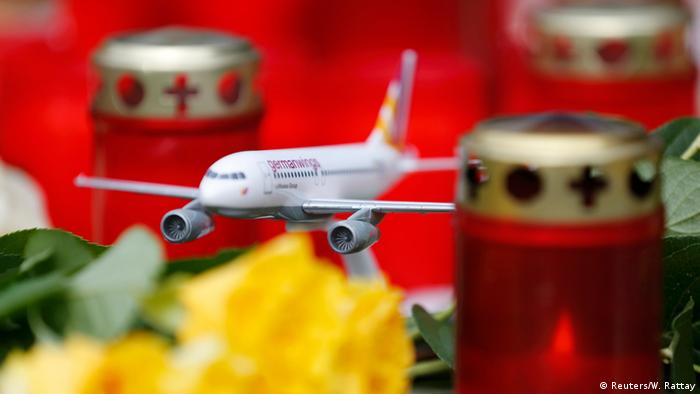
Свечи в память о погибших в авиакатастрофе и модель самолета Germanwings
24 марта во французских Альпах разбился самолет немецкой авиакомпании Germanwings, выполнявший рейс 4U9525 из Барселоны в Дюссельдорф. Погибли 150 человек. Большинство жертв - граждане Германии. Среди погибших - пассажиры из 21 страны. Особую утрату понес немецкий городок Хальтерн: катастрофа унесла жизни 16 школьников и двух учительниц местной гимназии.
Работы на месте трагедии продолжаются. Но расшифровка записей черных ящиков самолета рассеяла все сомнения: причиной катастрофы были не технические неполадки и не теракт, а сознательные действия второго пилота Андреаса Л. В Германии до сих пор не утихают споры о том, как предотвратить подобные трагедии. Однако на первом плане - забота о родственниках и близких жертв, траур по погибшим.

Экуменическая служба в Кельнском соборе

В Кельн для участия в траурной церемонии приехали около 500 родных и близких жертв авиакатастрофы. Среди гостей - президент Германии Йоахим Гаук (Joachim Gauck) и канцлер ФРГ Ангела Меркель (Angela Merkel), политики из Франции и Испании. Наряду с кардиналом Райнером Марией Вёльки (Rainer Maria Woelki) в траурной церемонии будет участввовать глава Евангелической церкви Вестфалии Аннетте Куршус (Annette Kurschus).
В интервью она объяснила, почему так важен этот акт памяти, ведь со дня катастрофы прошел уже почти месяц: "Траур - это чрезвычайно важный процесс, чтобы справиться с утратой. В данном случае это утрата, которую испытывает вся общественность. Такая траурная церемония дает возможность еще раз почувствовать эту скорбь в кругу тех, кто скорбит вместе с другими. Эта скорбь связана с конечностью бытия, с неотвратимостью кончины".

Компенсации родственникам и близким погибших

Компания Germanwings - дочернее предприятие концерна Lufthansa. Сразу после катастрофы A320 Lufthansa обеспечила всем родственникам погибших возможность побывать на месте катастрофы. На местах им оказывают помощь психологов.
Цветы на месте трагедии
Через три дня после катастрофы Lufthansa объявила, что незамедлительно выплатит по 50 тысяч евро компенсаций за каждого погибшего. Но из 149 семей компенсации получили пока только 80. Причина - отнюдь не в нежелании авиакомпании платить. Дело в том, что интересы многих родственников представляют адвокаты. Они надеются через суд добиться гораздо больших сумм. Кроме того, работы по сбору биологических проб уже завершены, но окончательное установление личностей погибших с помощью ДНК еще не закончено, поскольку при полетах внутри Шенгенской зоны пассажиры не обязаны даже предъявлять паспорта.

Дискуссии о втором пилоте
Картина трагедии ясна: после того как авиалайнер набрал полетную высоту, капитан корабля покинул кабину. Второй пилот Андреас Л. заблокировал дверь в кабину и перепрограммировал автопилот на плавное снижение. Через восемь минут самолет разбился. Л., совершив самоубийство, унес с собой жизни 149 человек.

Постепенно выяснялись детали этой трагедии. Оказывается, еще во время пилотской подготовки Андреас Л. проходил курс лечения от депрессии. Об этом он сообщил компании Lufthansa. Но затем его признали годным к полетам. А дочерняя компания Germanwings даже не знала об этой странице его биографии.
Психиатры выдвигают множество версий мотивов самоубийства Л. Одни считают, что это была патологическая страсть стать знаменитостью, другие - что причиной была боязнь потерять работу из-за проблем со здоровьем. А в СМИ прошли бурные дискуссии о том, кто же он, этот Андреас Л.: больной человек, достойный сострадания, или презренный террорист-самоубийца? В одном почти все комментаторы сходятся: опубликование фамилии пилота-самоубийцы было ошибкой. Этого нельзя было делать хотя бы из сострадания к его родителям.

Уроки катастрофы

С 27 марта все авиакомпании в Германии ввели правило "два человека в кокпите": если один из пилотов покидает кабину, его место должен занять кто-либо из экипажа, в частности стюардесса. Такое правило уже раньше действовало в большинстве стран, в том числе США и России. Бронированные двери в пассажирских самолетах и возможность блокировать их изнутри были введены после ряда терактов. Теперь эксперты рассматривают варианты модификации этого механизма.
Компания Deutsche Flugsicherung, контролирующая безопасность полетов, предлагает предусмотреть возможность пилотирования пассажирских авиалайнеров в экстренных случаях диспетчерами с земли. В беспилотниках эта технология применяется давно. Но где гарантия, что такой возможностью не воспользуются и кибертеррористы?

суббота, 4 апреля 2015 г.

The big players in aviation are pinning their hopes on twin-engine jetliners like the Airbus A350 and Boeing 787 Dreamliner, which promise greater efficiency due to their groundbreaking composite designs. But with these planes set to take over more and more transoceanic routes, those two engines could be a problem. To follow the "great circle" routes that are the most direct routes between cities, which can save hours and lots of fuel on ultra long-distance flights, planes can fly far from land over remote stretches of ocean. With twin-engines planes, however, losing one engine could leave the jet searching for a place to make an emergency landing as quickly as possible.
And the closest airfield could be hundreds of miles away. Just this past weekend, a United Airlines flight from Honolulu to Guam diverted to the remote island of Midway, the site of an historic WWII battle, after the pilot reported smoke in the cockpit. This wasn't an engine failure; the cause was a malfunctioning equipment cooling fan, United said after it flew in a replacement plane to pick up the 348 passengers and crew. But this kind of problem isn't totally uncommon. Just two months earlier, a Delta 767 made an emergency landing on Wake Island, another WWII site with a rarely used runway left over from its days as a naval base. That time, the airborne emergency was caused by an engine problem, just the kind of scenario that's sparking worries about how far a twin-engine jet can stray from land.
Just six weeks ago, the two-engine 787 won FAA approval to fly as far as five and half hours from the nearest suitable landing strip, the same as the 777. That was a major coup for Boeing, especially after the jetliner's much-documented troubles with its lithium batteries. In fact, after the plane was grounded in 2013, the FAA hinted that it might not even grant the Dreamliner a more conservative 180-minute certification for extended twin-engine operations (ETOPS). That would have ruled out many routes over the Pacific, where distances are so vast that airlines also depend on a network of far flung diversion airports like Wake and Midway to comply with ETOPS requirements.
Years ago, airlines were permitted to fly twin-engine planes no more than sixty minutes from the nearest airfield. Once jets like the 767, 777 and A330 started replacing 747s and DC-10s on the North Atlantic, Boeing and others argued successfully that twin-engine jets were so reliable that it made little sense to restrict them. The costs saved by flying twin engines on long stretches are so compelling that many airlines made the switch on the longest routes.
Of course, any plane—even one with four engines—can have a in-flight emergency. A Qantas 747 reportedly once had to land on deserted Johnston Atoll in the southern Pacific, a chemical waste site that was decommissioned as a working airfield in 2007. Midway, about 1,300 northwest of Hawaii, is a protected sanctuary for the albatross, which apparently are such a danger to planes that landings can only be made safely at night for a good part of the year. Others include Shemya and Adak, two treeless and tundra-covered islands in the Aleutians chain off Alaska where winter temperatures can dip well below freezing. Flights taking polar routes can also avail themselves of some landing strips in Siberia in an emergency, where conditions are even harsher. Farther south in the Pacific and near the South Pole, there are even fewer alternatives, which is why Airbus was recently reported by the Wall Street Journal to be seeking an ETOPS of 420 minutes, or seven hours, to make possible non-stops on routes like Australia to Brazil or New Zealand to South Africa.
To fly the super long routes under ETOPS, the specific aircraft has to get a special certification that requires extra maintenance and rigorous checks as well as enhanced fire suppression and emergency systems onboard the plane. Among things, the jet has to demonstrate that it can safely fly on one engine for the maximum number of hours approved.
John Cox, a pilot and head of an aviation safety consultancy, says the ETOPS program actually has made long-distance flying safer overall. The twin jets that get this rating "are actually more robust than the earlier generation three- or four-engine airplanes," he says, and the latter can effectively operate without any restrictions on their distance from land. "We are now routinely flying over vast oceans with a better safety record."
But what if an engine does conk out? "Nobody likes losing an engine," Cox notes, no matter where they are, but this isn't the doomsday scenario most people assume. With the lower power generated by just one engine, the plane would go into what pilots call "driftdown", or flying at a lower altitude at slower speeds. As fuel burns off, the plane would be lighter and could ascend to higher altitudes. There are few routes in the world where the plane would be so far from an airport that it would need to take advantage of the maximum time allotted under the expanded ETOPS rules, he says.
Aircraft manufacturers, the FAA, and many safety experts say the record for ETOPS operations is excellent. But the public may take bit more convincing. After all, the industry's inside joke is that ETOPS stands for "Engines Turn or Passengers Swim."

пятница, 3 апреля 2015 г.

Как Беларусь перевооружает украинскую армию

Пока Западные союзники Киева обсуждают форматы помощи, Беларусь активно включилась в перевооружение украинской армии.

Как  Лукашенко перевооружает украинскую  армию
Торговлю с обеими сторонами можно списать на экономические интересы Беларуси. Как никак, при выборе между первым и вторым по объемам внешнеэкономическим партнёром хочется сохранить обоих. Но поставки техники двойного назначения, или же просто вооружения — политика совсем другого рода, пишет украинское издание hvylya.net.
Да, неожиданно. Но не сам факт, а прямолинейность его подачи и то, что из всего двухчасового интервью именно эта фраза начала рекламироваться пресс-службой президента Беларуси.
Лукашенко за долгую историю «интеграции» с Российской Федерацией прекрасно понимает всю опасность, которую представляет из себя союзник. И как только в Кремле начали поднимать ставки в борьбе за сферы влияния, в Минске поняли — Беларусь будет следующей. Особенно в случае поражения Украины. Тогда Кремлёвские властители уже не скрывая целей, приступят к реанимации СССР (или Российской Империи). В таком формате у Лукашенко есть два варианта: либо стать губернатором края (пусть и с сохранением названия «президент») или исчезнуть.
Таким образом, Лукашенко, кроме выгод успеха Украины, ощутил и опасность. Причём не только для Беларуси, но и для себя лично. Последнее чрезвычайно важно, учитывая характер «уже не последнего диктатора Европы». Что делать? Естественно, помочь Украине. И, что занимательно, пока Западные союзники Киева обсуждают форматы помощи, Минск действует. Да, торгуя. Да, за деньги. Но извините, тот же КРАЗ уже год ждёт от союзников двигатели для промышленного выпуска броневиков. А в ЕС всё думают: стоит ли так дразнить Россию. Это так, лирическое отступление. А дальше голые факты. Которые обошли вниманием журналисты (как в Беларуси, так и в Украине).
Двигатели и автотехника.
Украинскому читателю известно, что страна хоть и большая, но не имеет своего производства двигателей для автотранспорта. В том числе и для бронированных машин. Первые поставки в ВСУ и НГ осуществлялись за счёт «старых запасов». Но уже к середине лета возникла проблема: своих двигателей нет. Россия, естественно, не продаёт. А западные союзники «обсуждают вопросы» поставки силовых установок. И опасаются, что таковые будут использованы для создания вооружений. Такие «опасения и раздумья», к слову продолжаются до сих пор. Вот ответ «диванным стратегам» из Украины почему тот же КРАЗ не завалил части своими машинами. И почему Украина покупала британские броневики. Последние были с движками, контракт включал ремкомплект и завод по ремонту. На основе последнего, кстати, можно в перспективе создать своё производство. Но это планы. А солдатам необходимо было на чём то ездить.
И тут обратим внимание на структуру белорусских поставок. В 2014 году двигатели из Беларуси составили 15% в общих объёмах украинского импорта. Общие объёмы поставок силовых установок выросли с 5,67 млн. долларов (в 2013 году) до 5,85 млн. При этом основной рост наблюдался в графе «другие»: 1,67 млн против 1,1 млн. В эту категорию относятся двигатели для специальной техники. В том числе и военной.
То же самое наблюдается в категории детали и части двигателей. Вновь раздел «другие». И сумма поставок в 2,84 миллиона. Что в 2 раза больше чем за 2013 год.
Дальше-больше. Помните рассказы волонтёров о украденных аккумуляторах с БТР. Как стоявших на складах частей. Так, естественно и на «долгосрочном хранении». Откуда они взялись? В том числе из Беларуси. Начиная с июня и до конца года границу пересекли (только официально) АКБ на сумму 124,6 тыс. долларов. Примечательно, что в 2013 году эта категория товаров не поставлялась вообще.
Электродвигатели и электросиловые установки. Это в том числе и то, что крутит башню БТР и танка. Таковых в 2014 году в Украину продано на сумму 2,19 миллионов. Учитывая суммарные объёмы поставок за 2013 год в аж целых 16 тысяч долларов рост более чем внушительный.
Таким образом, можно утверждать, что значительная часть техники, которую президент Украины торжественно передавал военным имело внутри «белорусский пламенный мотор». В том числе и известные всем «ПИОНЫ», Точки-У. Шасси для этих артиллерийских установок на сегодня в состоянии производить только одно предприятие – Минский завод колёсных тягачей. Немногочисленные белорусы, которые продолжали ездить на автомобиле в Киев отмечали, что всё лето в тёмное время суток по направлению к украинской границе небольшими группами ехали большие автомобили специфического внешнего вида. Увы, структура поставок МЗКТ, особенно военных, находится под грифом секретно. Но зато не является секретом статистика по деятельности Открытых акционерных обществ на сайте Минфина Беларуси. Увы, пока данные доступны лишь за 3 квартала 2014 года. Но и этого достаточно. В условиях обвала российского рынка и паузы в закупках тягачей для «Тополей» МЗКТ демонстрирует удивительную эффективность. Чистая прибыль предприятия за 3 квартал 2014 года превышает суммарную прибыль за весь 2013 год. А в Украине техника на минском шасси поступает на фронт. Увы, с маркетологами МЗКТ не разговаривал. Поэтому на всякий случай скажу — совпадение, господа.
Не совпадением является другое. Минский автомобильный завод активно продаёт грузовики Нацгвардии Украины. Причём в объёмах, превышающих поставки с КРАЗа. В июле 2014 российские СМИ взорвала новость о 44-х новых грузовиках у «украинских карателей». Проходит три месяца и НГ заключает новый контракт на ещё 27 автомобилей и спецтехнику — прицепы для транспортировки бронетехники. Те самые, которые производит упомянутый выше МЗКТ.
Кстати, белорусские производители учли специфику сотрудничества с российскими партнёрами. Летом МЗКТ представило гражданские версии тягачей с 490-сильным мотором ММЗ-WP12.460E5. А через месяц в Абу-Даби выставило военные многоцелевые шасси. В которых использована подвеска и АКПП собственной разработки.
Авиатехника
Война идёт не только на земле. Справедливо и в разрезе беларуско-украинского военного сотрудничества. Долгая работа украинских элит по развалу собственных ВС и ВПК привела к тому, что в стране катастрофически не хватает кадров и мощностей для восстановления (не говоря уже о создании) техники. В том числе авиационной. АН — всё же имеет свою нишу, которая мало пересекается со штурмовой и истребительной авиацией.
Но технологии модернизации и сборки двигателей есть в Беларуси. В частности на 558 авиаремонтном предприятии из Барановичей. С началом украинского кризиса на заводе объявили о возобновлении проекта модернизации самолётов СУ-27 и МИГ-2915. Кроме работы с силовыми установками модернизируется система управления огнём и обнаружения целей. Что позволяет чрезвычайно эффективно работать и по наземным объектам. С 2010 по 2014 гг. для иностранных заказчиков были модернизированы 4 МИГ 29 и 10 СУ-27. Украина, естественно, имеет свои авиаремонтные мощности. Но количество заказов на том же львовском авиаремонтром заводе исчислялось единицами. В случае войны главное скорость работ и качество.
А дальше просто факт или «совпадения». В декабре 2014 и январе 2015 украинские СМИ сообщали о передаче армии восстановленных самолётов МИГ-29. Это парадоксальным образом совпало с сообщением руководства 558 АРЗ о том, что тот в 2014 году за 66 млн. долларов «ремонтировал для иностранных заказчиков МиГ-29»16. Это, заметим, кроме беларуских заказов. Ремонт для ВВС России беларуские СМИ не скрывают под термином «иностранные». Возможно, это лишь допущение автора. А временные совпадения — действительно совпадения. Но есть ещё два факта. Они содержатся в открытом доступе. Статистика по торговле товарами и услугами. И вот, странно, Република Беларусь оказала Украине услуг «по ремонту» в 2,4 раза больше, чем в 2013 году. Сумма контрактов — 11 млн. долларов17. Сюда же можно добавить часть из 3,4 млн. за компьютерные и информационные услуги (перепрограммирование и модернизация систем наведения относится к данной категории) и часть из 98 миллионов долларов «деловых» услуг. Посредничество при покупке техники и комплектующих – одна из составляющих данной категории.
И, наконец, торговый баланс. Беларусь в кои то веки начала продавать Украине «летательные аппараты» и части к ним. За 2014 год сумма завершённых контрактов превысила 5 млн. долларов. А за первый квартал 2015 — уже 3,997 миллиона. Для справки – объемы поставки по этой категории в 2013 г — 12 тысяч долларов США.
Идём далее. Категория «радиолокационные и радионавигационные устройства» — рост объёмов поставок в 2 раза по сравнению с 2013 г. Правда, тут в большинстве своём это аппаратура дистанционного управления.
И эта графа, как и летательные аппараты возможно означает ещё одно направление. Беларусь — один из региональных лидеров по разработке и производству беспилотных летательных аппаратов. Тот же 558 завод производит и продаёт (в том числе на внешние рынки) БЛПА «Гриф-1». А в 2014 представил ещё две новинки. Комплекс бортовой аппаратуры индивидуальной радиотехнической защиты «Сателлит», позволяющий защищать летательные аппараты всех типов от поражения высокоточным радиоуправляемым оружием, а также носитель авиационных средств поражения НАСП Модуль-А. Если аналогичная техника «украинской разработки» будет в ближайшие месяцы представлена президентом Порошенко — особо не удивлюсь.
Ну и чтобы завершить авиационную тематику поговорим о турбовинтовых и турбореактивных двигателях. Эти товары уже Украина продавала Беларуси. Сумма контрактов — 12,39 млн. долларов. Для сравнения в 2013 году — 122 тысячи. Естественно, что основным покупателем выступал оршанский актив «Мотор Сич». Там производится ремонт и восстановления в том числе пострадавшей на Донбассе техники. Причём без особой маскировки. Корреспондент одного из независимых интернет-порталов не только побывал на предприятии, но и сфотографировал МИ-24 с характерными повреждениями и тактическим знаком ВВС Украины на борту. Хотя, это тоже совпадение. Для российских читателей. Вертолёт заблудился. И упал. А сердечные белорусы решили его восстановить — грех добру пропадать!
Кстати вертолётов будет столько, что тот же 558 завод объявил о планах отремонтировать и восстановить «14 МиГ-29 (УБ) и девять Ми-24 в интересах иностранных заказчиков». То есть заняться ремонтом и вертолётов — на стапелях в Орше уже места не хватает. Кроме того тот завод более разумно использовать для производства новой «полностью украинской» техники.
Таким образом, пока западные союзники Украины думали вооружать ли Киев в войне с Россией, «союзник» России реально помогал новой украинской власти. Причём суммы этой помощи измеряются десятками (если не сотнями) миллионов долларов. Внушительно, учитывая размеры самой Республики Беларусь.
С другой стороны это лишнее свидетельство того, что Лукашенко всерьёз ставит на военный успех Украины. Как и свидетельство того, что в Кремле задумываются о смене власти в Минске. Уж очень странный «союзник» получается.

четверг, 2 апреля 2015 г.

Поворот «Розы ветров»: компания Windrose меняет место базирования в Украине

Крупная украинская чартерная компания Windrose сменит место базирования – международный аэропорт «Борисполь» на аэропорт «Киев» («Жуляны»). Владимир Каменчук, гендиректор Windrose, сообщил, что переговоры на этот счет проводятся достаточно активно. «Нам предложили хорошие условия, не думаю, что в «Борисполе» могут позволить себе такие же», – прокомментировал он. В компании отмечают, что сегодня обсуждается дисконт около 25% (по сравнению с тарифами «Борисполя») при определенных объемах перевозок.
Поворот  «Розы ветров»: компания Windrose меняет место базирования в Украине
Фото: windrose.aero
Вторая причина перехода в «Жуляны» – отсутствие более тяжелых самолетов. Windrose передала в аренду зарубежным заказчикам один Airbus A330 и четыре Airbus A321. Эти самолеты по техническим причинам не могли использовать взлетно-посадочную полосу в «Жулянах».
до $12
за одного пассажира может снизиться тариф для Windrose в «Жулянах» при увеличении перевозок до 20 000 пассажиров в месяц
Оптимизация флота стала вынужденной мерой и первым шагом в экономии затрат компании. «Кризис больно ударил по перевозчикам, особенно по тем, которые летали по туристическому направлению», – говорит Евгений Хайнацкий, директор туркомпании «Стиль Авиа». Каменчук рассказал Forbes, что Windrose за последнее время сократила перелеты в три раза.
Сейчас в парке авиаперевозчика остались два Airbus A320. По словам Каменчука, компания зимой летала в Турцию и Египет. С мая добавятся рейсы в Грецию, Хорватию, Черногорию и Болгарию. Всего планируется совершать 2-3 рейса в день из «Жулян». Договор с аэропортом в компании рассчитывают подписать на год.
Алексей Яковец, гендиректор компании «Мастер Авиа», управляющей аэропортом «Киев» («Жуляны»), подтвердил, что уже запущен процесс перехода Windrose в «Жуляны». «Сегодня к нам приезжали специалисты Windrose, которые проводили анализ технических возможностей аэропорта. Договоренности уже достигнуты, осталось сформировать все критерии на бумаге», – сообщил он.
Экономический эффект для компании будет ощутим, если она выйдет на заявленные объемы перевозок. Так, по словам Яковца, в «Борисполе» Windrose платила за каждого пассажира $17, а в «Жулянах» базовая ставка составляет $15, но с увеличением перевозок до уровня 20 000 пассажиров в месяц тариф может снизиться до $12.
Специалисты напоминают, что в «Борисполе» тоже действует система скидок, но почему-то она работает крайне редко, а если и действует, то только в отношении одной компании – «Международных авиалиний Украины».
Переход Windrose в более компактный аэропорт – вовсе не новая практика. В целях экономии в свое время из «Борисполя» переходили в «Жуляны» компании «Визз Эйр Украина», «Трансаэро», а также осуществляла региональную программу перелетов компания «ЮТэйр Украина» (международные рейсы остались в «Борисполе»).
«Только с более низкими затратами можно обеспечить низкую стоимость билетов, а главный аэропорт в любой стране, как правило, является весьма затратным с точки зрения обслуживания», – заявлял в 2011 году на пресс-конференции исполнительный вице-президент группы Wizz Air Джон Стефенсон. Между тем смена прописки Windrose может объясняться не только экономическими причинами.
В «Борисполе» отсутствует прогнозируемость. «Постоянно есть риск смены руководства, непостоянство дирекции, что сопровождается уголовными делами, проверками и так далее», – перечисляет Андрей Гук, партнер юридической фирмы «Анте», представляющей интересы авиакомпаний в судах.
По его словам, например, быстро и мобильно решать вопросы аренды под кассу или офис не получается, потому что помещения аэропорта – государственное имущество, и договоры необходимо заключать через Фонд госимущества, а это длительная и сложная процедура.
В «Борисполе» постоянно есть риск смены руководства, непостоянство дирекции, что сопровождается уголовными делами, проверками и так далее
Андрей Гук, партнер юридической фирмы «Анте», представляющей интересы авиакомпаний в судах
Уход Windrose из «Борисполя» вызвал удивление в Мининфраструктуры. Первый заместитель министра инфраструктуры Владимир Шульмейстер сказал, что для него это неожиданная новость. Он полагает, что аэропорт «Киев» на фоне снижения активности «Визз Эйр Украина» сделал такое предложение перевозчику, от которого трудно отказаться.
«Например, сам «Борисполь» не обращался в министерство с просьбой дать спецусловия упомянутой компании», – подчеркивает чиновник. В то же время Шульмейстер обещает разобраться с руководством аэропорта, почему был отпущен важный клиент, отсутствие которого может повлиять на финансовые результаты аэропорта «Борисполь». В самом аэропорту на момент сдачи материала ситуацию с Windrose не комментировали.
Впрочем, утверждать, что «Борисполю» сильно не повезло, тоже не стоит. Скорее, это больше помогло киевскому аэропорту. Александр Ланецкий, директор Friendly Avia Support, считает, что появление в «Жулянах» такого перевозчика, как Windrose, может несколько смягчить то падение, которое возникнет из-за сокращения рейсов «Визз Эйр Украина». «Потенциально это около 15-20 тысяч пассажиров в месяц. Эта цифра равносильна примерно 20% всего потока аэропорта, тогда как для «Борисполя» эта доля – не более 2%. Прецедент, конечно, неприятный, но это пример для других», – объясняет он.  

среда, 1 апреля 2015 г.

How it Works: F-35 Climatic Testing

Within the decade, the F-35 Lightning II will be deployed to all corners of the globe—from the icy mountains of Norway to the scorching desert of Australia—and we must ensure the aircraft can perform in these dynamic environments. To do this, we look no further than a structure straight out of the post-World War II era: the McKinley Climate Testing Laboratory at Eglin Air Force Base, Florida.

Go behind the scenes in the climatic chamber with Lockheed Martin Test Pilot Billie Flynn in this video
The McKinley Climatic Laboratory, known simply as the “climatic chamber,” has been the home of climate testing for every aircraft developed since 1947. It has become a “rite of passage” for all aircraft on their journey to Initial Operating Capability (IOC).
As the F-35 approaches its IOC debut for the U.S. Marine Corps in 2015, it too must be put through the rigors of the climatic chamber. Only this time, the test is being performed differently than ever before.
To accommodate the swiveling engine nozzle and lift-fan system of the Lightning II, a 12-foot high “restraint and support” structure interwoven with a system of ventilation ducts was designed. This apparatus secures the F-35 and allows it to operate at high power in both conventional and Short Takeoff/Vertical Landing (STOVL) mode while inside the building.
Ventilation of the exhaust is vital to maintaining a stable temperature inside the chamber. Conditioned air is constantly pumped in to ensure the pressure in the building is always higher than the pressure inside the ducts surrounding the engine and other openings on the aircraft. This difference in pressure is a safeguard that maintains the jet exhaust is flowing out of the chamber through the ducts, allowing the facility to sustain a constant temperature. 
Water spraying from the ducting at the back of the engine absorbs some sound wave vibrations emitted from the engine that is capable of generating 40,000 pounds of thrust—thereby decreasing decibel levels in the chamber.
Now, it’s time to play Mother Nature.
Heating Things Up
To kick off climatic testing, engine runs are conducted at a precise set of temperatures. Over a series of days, the temperature is steadily and incrementally increased until it reaches the test maximum of 120 degrees. While the chamber itself is set to a pre-determined temperature, additional solar lamps above the aircraft recreate the intense heat of the sun on the surface of the jet.
In reality, air temperature does not remain constant throughout the day—it increases each hour the sun is up, reaching its apex in the late afternoon. In the chamber, engineers recreate the temperature fluctuation of a 24-hour day.
Much like a car bakes in the sun on a summer day, so can the F-35 Lightning. To recreate the environment in which a jet is left outside on the flight line at, say, Marine Corps Air Station Yuma in Arizona, the jet remains powered down in the chamber until it reaches the simulated day’s maximum temperature. Once temperatures peak, the test team fires up the aircraft—much like a pilot would on a typical, sweltering afternoon at Yuma.
Keeping It Cool
In a matter of days, the chamber transitions from a devilishly hot sauna to the Arctic Circle. Outside air is super-cooled using McKinley Lab’s refrigeration system and pushed into the chamber. In increments, the chamber walks its way down to -40 degrees while the jet completes test runs along the way.
At such frigid temperatures, aircraft fluids start to thicken and mechanisms operate slower—all points upon which test engineers keep a watchful eye as the temperatures dip dangerously low.
Successfully completing cold testing is another crucial step in the F-35’s journey towards IOC, because the F-35 would experience this type of environment while operating in Canada or Norway.
Let It Snow
Next, the Lightning II faces its harshest climate yet: a barrage of snow and ice that would have Santa Claus shaking in his boots. 
When the F-35 hurtles through the clouds at high speeds in freezing climates, large pieces of ice can form quickly on the aircraft’s exterior. These heavy chunks of ice may break off and damage the aircraft, errantly fly into the engine or create a Foreign Object Damage (FOD) concern. For this reason, icing is one of the most dangerous elements in climatic testing.
In front of the jet sits a large apparatus composed of three massive cylinders stacked in a pyramid, parallel to the ground. Inside these cylinders are a total of nine ducted fans that blow a huge amount of air through a single funnel in the front, like a giant hairdryer. Attached to the front of this funnel is a spray bar capable of producing “clouds” of various water droplet sizes. 
These droplets are blown toward the plane and freeze upon contact. While the lab cannot generate the precise wind speeds experienced by airborne aircraft, the unique setup inside the chamber is capable of producing sustained wind speeds up to 120 miles per hour—all while spewing precipitation at the F-35.
Snow and ice testing gauges the effectiveness of the aircraft’s Ice Protection System and the ability of the jet to perform in winter weather.
When It Rains, It Pours
For its final test, it is time to take the F-35 into the center of a hurricane—so to speak. To gauge how a Lightning II would hold up sitting uncovered on the flight line at a place such as Eglin AFB, the McKinley Climatic Laboratory is equipped with a system of “rain frames” that drench the jet with steady rainfall.
During rain testing, the F-35 is soaked in rainfall ranging from 1.1 inches per hour, all the way to 3.3 inches per hour. With driving rain inevitably comes gusty wind. Following the steady soak, a spray bar is placed at various positions around the aircraft. Behind this pole is a large industrial fan that generates sustained winds of 44 miles per hour in the direction of the spray bar and the F-35—creating a tropical storm-like environment that drenches the jet at that particular angle.
Whether soaring across the equator or over the tip of the northern hemisphere, the F-35 Lightning II must be ready to encounter any environment in its pursuit to defend our skies. The McKinley Climatic Laboratory helps us ensure we will be ready—no matter what Mother Nature brings.

Improving performance with incremental innovation: The first enhanced 242-tonne A330 variant is granted EASA airworthiness approval


Underscoring the company’s philosophy for incremental innovation across its product line in order to meet ever-changing market needs, Airbus marked a key programme milestone with European Aviation Safety Agency (EASA) certification of the first 242-tonne maximum take-off weight A330-300 variant.
As Airbus’ latest evolution to the twin-engine A330 Family, the increased take-off weight A330-300 and A330-200 jetliners incorporate a new aerodynamic package, engine improvements and optional centre fuel tank activation for the A330-300 version – upgrades which offer more capability at a lower operating cost and also serve as the development platform for the A330neo (new engine option). 
The increased take-off weight A330-300 variant delivers an extended range of up to 6,100 nautical miles for operators with the new centre fuel tank configuration, while offering up to 2 percent reduction in fuel consumption.  In operational terms, this means Airbus’ 242-tonne A330-300 can fly routes connecting Europe and Southeast Asia; while serving over 90 percent of long-haul traffic from London. 
The EASA airworthiness approval covers the increased take-off weight A330-300 powered by GE CF6-80E1 engines – with this variant’s subsequent certification by the U.S. Federal Aviation Administration (FAA) expected to follow soon. The GE-powered A330-300 variant’s certification culminates Airbus’ successful flight test campaign that included approximately 100 total flight hours performed by an in-house development A330 jetliner to validate the new aerodynamic package, and a production aircraft to confirm the centre tank configuration and overall A330-300 performance. 
In the coming months, Airbus also is planning to certify the remaining increased take-off weight A330-300 and A330-200 variants for the jetliners’ other engine choices: the Rolls-Royce Trent 700 and Pratt & Whitney’s PW4000. U.S.-based launch customer Delta Air Lines is scheduled to take delivery of the initial increased take-off weight A330 variant later this year – as the first of 11 worldwide customers who have ordered this option since its launch in 2012.  Delta Air Lines selected the GE-powered version for its 242-tonne maximum take-off weight A330-300.
The incremental innovations incorporated on Airbus’ 242-tonne A330 variant represent a key step on the path toward the A330neo (new engine option), which was launched in 2014.  Benefitting from additional aerodynamic improvements and its use of new Rolls-Royce Trent 7000 engines, the A330neo will offer unmatched operating economics, while also featuring the latest cabin interior innovations

вторник, 31 марта 2015 г.

Війна дронів на Донбасі


Від початку конфлікту на сході України обидві сторони протистояння використовують безпілотники для спостереження за силами противника та розвідки.
Кореспонденти ВВС Наталя Антелава та Абдужаліл Абдурасулов поспілкувалися із бійцями українського добровольчого батальйону під Донецьком та побачили, як відбувається запуск українських дронів.
Кореспонденти відзначають, що через брак ресурсів більшість таких апаратів добровольці роблять власноруч.

воскресенье, 29 марта 2015 г.

Why This Weird Future Airliner Has No Windows

windiwless plane


 Head in the clouds? UK developers are working on removing windows in planes to save weight and fuel, replacing them with smartscreen panels broadcasting the view. Photograph: Tomasz Wyszo/mirski/ww.dabarti/CPI
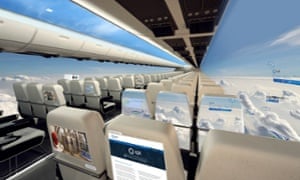
It is a glimpse into the future that will inspire wonder in some people but perhaps strike terror into the heart of the nervous flyer: a windowless plane that nonetheless allows passengers to see what’s going on outside, as well as checking their email and surfing the net.
In a vision of what the next generation of commercial aircraft could look like in little more than a decade, windows would be replaced by full-length screens allowing constant views of the world outside. Passengers would be able to switch the view on and off according to their preference, identify prominent sights by tapping the screen or even just surf the internet.
The early-stage concept for the windowless plane, based on technology used in mobile phones and televisions, hails from the Centre for Process Innovation (CPI), an organisation with sites across north-east England that works with companies to develop new products. It imagines how large, hi-definition, ultra thin and lightweight displays could form the inside of the fuselage, displaying images of the exterior from cameras mounted on the plane’s exterior.
But the real ambition echoes a constant quest in the aviation industry: how to reduce weight, which would cut fuel consumption, thereby bringing down fares. According to the CPI, for every 1% reduction in the weight of an aircraft, there is a saving in fuel of 0.75%.
The idea came about after discussions about how printable electronics, in which the centre specialises, could be used. “We had been speaking to people in aerospace and we understood that there was this need to take weight out of aircraft,” said Dr Jon Helliwell of the CPI. By putting windows into a plane, the fuselage needed to be strengthened, he added, and by omitting them in favour of walls of screens on panels, the fuselage would be lighter.
“Follow the logical thought through. Let’s take all the windows out – that’s what they do in cargo aircraft – what are the passengers going to do? If you think about it, it’s only really the people that are sitting next to windows that will suffer.”
These futuristic plans would involve screen panels reflecting whatever view of the outside the passenger wanted, changing in accordance with the direction of their eyes.
The screens would be made using organic light-emitting diodes (OLEDs) – a combination of materials that give out their own light when activated by electricity. The problems with the technology involve price and their sensitivity to moisture, which means they are generally encased in inflexible glass, mostly in mobile phones and televisions. The key development, said Helliwell, would be flexible OLEDs, which would allow the creation of screens suitable for an aeroplane. Electronics company LG recently posted a video of an 18-inch (46cm) screen which bends and contorts while the images on screen are broadcast uninterrupted.
“What would be great would be to make devices based on OLEDs that are flexible. We can make transistors that are flexible but if we can make OLEDs that are flexible, that gives us a lot of potential in the market because we can print OLEDs on to packaging, we can create flexible displays,” he said.
The CPI is one of seven bodies under the High Value Manufacturing Catapult, an umbrella group which receives government funding to drive growth in manufacturing. Part of the way the CPI operates is to identify challenges in industry – such as the windowless plane – and develop ways to overcome them, according to Helliwell.
Using £35m worth of advanced equipment in its Sedgefield facility, the CPI says it working on technologies to advance flexible OLEDs and tackle problems of cost and durability.
This could lead to the development of the OLEDs and the windowless plane, but could also be used in “smart packaging” for medicines or food which would contain information that could be displayed on a mobile phone.
One of the first steps in developing OLEDs is a mask which helps treat eye disease among people with diabetes. The device from PolyPhotonix, which was developed at the CPI, aims to stop the breakdown of blood vessels during sleep as a result of the disease. Using the device, the eye is fooled into thinking that it is daytime, when there is not the same problem with blood vessel breakdown.
The concept for the plane, said Helliwell – letting passengers see outside while allowing a lighter fuselage – followed discussions with the aerospace industry. The idea of having the displays lining the inside of the plane could become reality in 10 years, after other “building blocks” in the development of OLED are completed, he added. “We are talking about it now because it matches the kind of development timelines that they have in the aerospace industry.
“So you could have a display next to a seat if you wanted it; you could have a blank area next to a seat if you wanted it; you would have complete flexibility as to where you put [the panel screens]. You could put screens on the back of the seats in the middle and link them to the same cameras.”

What are OLEDs

OLEDs are a combination of advanced materials that give out their own light when activated by electricity and are typically used to make screens and lighting. Unlike LCD and plasma displays, they do not need a backlight, meaning that they use less energy and can be much thinner than other displays, while also displaying a higher contrast. Among ambitions for OLEDs involve printing them on sheets or wallpapering them on rooms, effectively turning the walls into lights.

Ukraine Conflict Stalls Indian AF Upgrades

India will need to explore fresh options, including direct purchase, to shore up its air transport fleet as the Ukraine conflict has stymied the upgrade of its AN-32 aircraft, an Indian Air Force official said.
The last five of 40 AN-32 aircraft being upgraded in Ukraine have become "untraceable," the official said, and the local upgrade of the remaining 64 AN-32s has halted as Ukraine engineers departed and supplies of spares stopped.
"As AN-32 formed the bulk of the medium-lift segment of the transport fleet, urgent replacement of the Avro fleet, finalization of the joint development of medium transport aircraft and possible fresh purchases are some of the options which IAF will need to work on an urgent basis," retired Air Force wing commander Bhim Singhal said.
In addition to the AN-32, the Air Force uses the Russian-made IL-76, British-made Avro, which is license-produced by Hindustan Aeronautics, and the US-made C-17 and C-130J Super Hercules.
In 2009, India contracted with Ukraine's state-owned arms trading agency, Ukrspetsexport Corp., to upgrade its 104 AN-32 transport aircraft at a cost of US $400 million as the fleet had reached its life expectancy. The program, which was to run through 2017, involved the upgrade of 40 aircraft in Ukraine and 64 under technology transfer from Ukraine at the Air force Chakeri, Kanpur-based base repair depot.
However, only 35 aircraft, upgraded at Kiev-based Antonov State Co. facilities in Ukraine, have returned, while the last five remain stranded due to the conflict.
"These five aircraft are almost lost as it is difficult to trace them and diplomatic efforts to find their whereabouts have failed," the Air Force official said.
A diplomat from the Ukraine Embassy said Antonov must resolve this issue with the Air Force, and that the government cannot help. Antonov officials were unavailable for comment.
The local upgrade at the Kanpur depot, which began three years ago, halted last year. Six aircraft were put for upgrade but work had to be discontinued as the Ukraine engineers left and only one container of spares from Ukraine had arrived, the Air Force official said.
The upgrade of the AN-32 would have extended the aircraft's life by 40 years with improved avionics, modernization of the cockpit and payload capacity being increased from 6.7 to 7.5 tons.
The AN-32 upgrade also includes spares from Honeywell and some Russian supplies.
"IAF had all along been maintaining that the local upgrade includes indigenization of spares and parts, and that most of them have been executed. With the local upgrade halted, these claims has been proven false," Singh said.
With the Indian government emphasizing strategic lift for internal deployment and the rushing of troops to the Chinese and Pakistani borders, additional transport aircraft are needed, Singh said.
AVRO Replacement
The status of replacing the Air Force's 56 Avro transports is unclear as only Airbus Defense & Space of Spain, which proposed the C-295 in a tie up with India's Tata Advanced Systems, has bid for the $3.5 billion tender, which closed late last year.
Ukraine's Antonov did not file a bid because the Defence Ministry refused to give it an extension.
With only one bidder, the tender faces cancellation.
Meanwhile, India and Россия propose to jointly develop a medium-lift transport plane capable of ferrying 80 troops together with infantry fighting vehicles or light tanks, artillery guns and ammunition, aimed at replacing the AN-32 fleet.
Russia's UAC and Hindustan Aeronautics have established a company, the Multi Role Transport Aircraft Ltd., as an Indo-Russian joint venture for the Medium Transport Aircraft program. But a final production agreement is not emerging because of issues relating to production work share.

суббота, 28 марта 2015 г.

Less Leasing Love From Lessors


6800196849_cfcc40776a_z
Image: Courtesy JDL Multimedia
New airplanes are good for everyone; that’s the story aircraft manufacturers are pushing and even some airlines are buying in to. With greater fuel efficiency, longer range, and higher capacity, the push is on to get new aircraft into every airline’s hangars.
United Airlines predicts that it will save approximately two million annually for each Boeing 757-200 it replaces with a new Boeing 737-900ER in its domestic fleet, for example, but this prediction is based when aviation fuel prices were much higher. Meanwhile, Allegiant has made a different business decision of flying old–but reliable–aircraft until they break; then, Allegiant will replace them with another inexpensive, older plane, but it would seem that Qatar Airways CEO Akbar Al Baker has a much different different approach as he recently suggested that the 787s his airline has recently acquired will be out of the fleet in less than a decade, making way for newer and larger aircraft.
Boeing expects to be producing 52 of its 737 aircraft each month by 2018 while Airbus is increasing its A320 family output to 46 per month by Q2 2016. Some widebody aircraft, such as the A330 or 747-8 families, are seeing reductions in production rates to partially offset the increase while others, including the 787 family, see increasing production rates to counter large backlogs.boeing-777-moving-line-starts2006_28409
And then there are those who worry about the ever increasing pace of aircraft delivery and its potential impact on the market overall. Many of them are in the aircraft leasing and financing business who are faced with a rapidly changing market structure and demand profile, one which the major manufacturers are upsetting with increased production rates.
CIT Aerospace, a lessor with roughly nine billion in aircraft under management, and plans to buy 15 A330neo aircraft, pressed for caution amongst the manufacturers in the near future. The statement was made at the International Society of Transport Aircraft Trading (ISTAT) conference recently amidst talk of an even greater push by Airbus and Boeing to capture market share.
Much of it comes down to residual value and amortization over time. The lessors historically have depended on a reasonably strong secondary market, often in secondary or tertiary countries, where used aircraft can operate reliably well after the initial service run at a major carrier. Today, however, more and more airlines are buying new from Airbus or Boeing rather than taking planes second-hand. More airlines are focusing on providing the comfortable passenger experience rather than simply transportation from A to B.
So airlines are owning new planes for shorter lifecycles and buying or leasing fewer used planes. This glut of inventory pushes down costs in the secondary market which is understandably bad for the lessors, but what does it mean to the broader industry as a whole? Passenger experiences are generally better on newer planes and the environmental impact is hard to argue, but for the airlines, is it better to run the newer aircraft with higher capital costs and lower operating costs or the older planes with that ratio reversed? Especially if the secondary market continues to see declining prices. This will impact the first owners of new planes down the line as they look to unload and cash out on the airframe.
Ultimately, this could portend an inversion in the market where the traditional legacy carriers start operating more and more second-hand planes to better control total costs while the upstarts, flush with investor cash or loan guarantees, happily take the new planes off assembly lines around the world. And, in the middle, the private-sector financing groups will struggle to make a profit from the industry where public financing seems spectacularly easy to secure.

четверг, 26 марта 2015 г.

Here's Why Airliners Still Don't Have Real-Time Tracking Tech

It's been one year since Malaysia Airlines Flight 370 vanished into thin air. So why aren't we doing a better job of tracking planes yet?

From the moment MH370 disappeared more than one year ago, the world has been asking how a jumbo jet carrying 239 people could vanish. Now, the aviation industry is grappling with another question: Where are the promised flight tracking systems that would prevent this from ever happening again?
The technology would transmit in real time a multidimensional picture of an aircraft's position, measured by longitude, latitude, altitude, and the local time as provided by satellites. This is the same data that is captured by the flight data recorders (the black boxes), which, in the case of MH370, are presumed to be somewhere in the depths of the Indian Ocean. However, the International Air Transport Association (IATA) said it might not be possible to meet its goal of making all aircraft traceable within a year—something that had seemed a reasonable deadline in the aftermath of MH370.
Tony Tyler, the former Cathay Pacific executive who heads the 250-member airline trade group, said that while the group is taking the issue "seriously," it's not clear whether all carriers are on board with the timetable.
"There is no silver bullet solution on tracking," he said at a briefing in Geneva. "The industry is working to improve, but some issues…. will take time to address and implement," he added, noting that the sealing of cockpit doors after the Sept. 11 attacks took several years to complete.
So what's the problem? The IATA just released a study from its Aircraft Tracking Task Force, which, after the disappearance of MH370, was charged with developing tracking options for planes. The study's main focus is how to track planes in areas that have no radar coverage, such as remote areas over water. Thanks to the modernization of air traffic control systems, that tracking is already improving, but that alone won't be enough to track all planes if airlines don't make their own upgrades.
The IATA report is supposed to contain information about how many airlines are already equipped for real-time tracking, but the details have not yet been made public. We do know the authors conclude that some may not be able to meet the new standards by target date of the end of 2015.
Plus, there's the question of authority: The IATA can't make the airlines fall in line and add new tracking tech. Any governmental action to require such tracking must come via the U.N.'s International Civil Aviation Organization, which could put pressure on individual countries to act if it sees fit. The issue next goes before them at a summit in February.
The study also raised the prospect of requiring carriers to acquire tamper-proof transponders within three years. A criminal investigation under way in Malaysia is examining the possibility that someone on the plane intentionally disabled the transponder of the 777, which effectively made it untraceable and allowed it to fly undetected for hours. But IATA stopped short of saying that the new transponders should be mandated.
There's also disagreement on how much it will cost. The upgrades could cost tens of thousands of dollars per aircraft, and many airlines have expressed concern about the high cost given how rare it is for an aircraft to disappear.
Of course, those same arguments were made after Air France 447 crashed into the South Atlantic in 2009, when the industry had an opportunity to make the changes that might have prevented MH370's disappearance.